What is Gender?

By: Olivia Francis

What is gender? If you look up gender on the internet it gives you this as the definition, “either of the two sexes (male and female), especially when considered with reference to social and cultural differences rather than biological ones.” A key word in that definition would be social and cultural differences rather than biological ones. Gender can be based on what genitalia you have but it is mainly a more fluid concept. We see gender everywhere. From bathrooms, to clothing, to shoes, even down to trivial things such as pens and razors. But is it truly black and white? Or should I say blue and pink? Society manages gender from birth. From the colors at the baby shower, to the clothes the baby wears, everything is based on gender. When a concept is taught straight from birth, how can we not subconsciously associate the concept with everything.

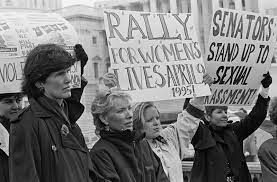
Gender is powerful and gives immense privilege. The few that disagree, most likely benefit from their gender in some way. Men are seen as stronger and more powerful while women are seen as weak and helpless. I believe that men have fewer obstacles and have had fewer obstacles for decades compared to a woman. In the past, most of the time, a man benefited from something more often than a woman, Looking back in history, women were only seen as “heir makers”, and property. It wasn’t until quite recently that women started getting some power. But we still have a long way to go. I believe that society decides which gender is legitimate. For example, a queens only duty was to bore an heir for her king. If the queen only had girls, she could be killed and the girls would suffer throughout their lives based on their genitalia. However, boys were seen as superior and the only option when it came to the question of who would sit at the throne.

There are countless genders. I personally don’t know them all other than male, female, and non-binary, but, just because there are a lot, that doesn’t make them invalid. I believe that gender is a fluid concept and it would be based how who you feel you are and not what parts you were born with.

PRESENTATION

The portrayals of transgender people in the media reflect societal attitudes about transgender identity, and have varied and evolved with public perception and understanding. Media representation, culture industry, and social marginalization all hint at popular culture standards and the applicability and significance to mass culture, even though media depictions represent only a insignificant and sterotipical spectrum of the transgender group,[1] which essentially conveys that those that are shown are the only interpretations and ideas society has of them, such as victims and villiains.

Final Project: The Glass Ceiling Vs. Women in the Workplace

Does the glass ceiling still exist in the 21st century?

My final project is presented in the form of a syllabus to outline how I would teach the information I found to students curious about the Introduction of Women Studies next fall semester. Every material was meticulously chosen to provoke thought and exploration of sex & gender in the workplace and how that affects women on a daily basis. I believe it is necessary for students to learn and interact through the resources listed to sharpen their knowledge and challenge them to have a dialogue with others to bring about change.

Thank you all for viewing and adding your fruitful comments in the process. Below you will find a pdf file outlining my syllabus.

Independent Project

I chose to do a research on feminist waves and feminism in general and I did it as an introduction to the interdisciplinary field of women’s and gender studies, especially in the humanities and the arts. My mini-syllabus examined how gender is performed and represented in a range of cultural texts and artifacts with an explicit focus on feminism and women in the society. It explores the creative agency, aesthetic forms, cultural affiliations, and arts activisms of women of diverse backgrounds, in genres and mediums ranging from literature, film, music, and visual art to technology and political expression.

The goal is to interpret and analyze a variety of art works, compare and contrast various formal elements of art works in the analysis of women’s strategies, visions, and achievements, articulate a rudimentary history of feminisms in the United States and its cultural and historical context in relationship to women.

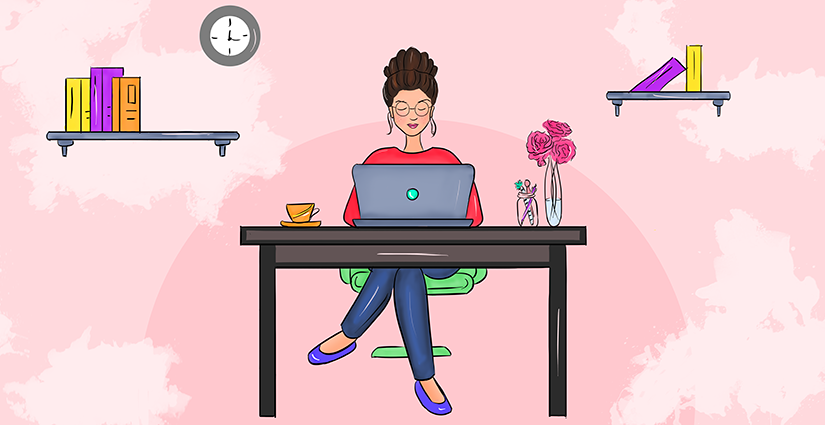
Post 14: Women in the U.S. Workforce

In my creative project, I decided to do a crossword puzzle based on Women in the US workforce. Women in the workforce have been an issue for centuries now because of sexism, racism, discrimination, etc. Women are constantly facing gender inequalities daily. Many women have lost their jobs or had to leave because they wanted to care for their families after the global pandemic known as Covid-19 erupted. In my opinion, I feel like this issue should be addressed more often based on gender inequalities and how women feel left out, which can affect their mental health. As a result, I chose this subject to raise awareness about this issue. I collected vocabulary words from my research article and reports I read after deciding to make a crossword puzzle. This helped me organize my creative project when I was creating the terms and format of the game.   

The crossword puzzle relates to my research topic on women in the US workforce because it has definitions based on the surrounding of women in the workplace related to my research topic. And I think it is enjoyable, especially since we’re in a pandemic right now  and it is a fun way of learning new material based on vocabulary words. The format that I chose was to pick twenty words that I knew and learned that are important and put them into a generator that includes across and down options for the vocabulary words. The game’s goal is to fill in the white squares with letters based on clues and definitions, leading to the answer. But in the game there are some words that don’t include a space between two words which is number 5, 6, 9, 10,  18. Thus don’t be alarmed by a missing word in the word cross. 

Throughout the project, I’ve learned that one in four working women (25%) say they have earned less than a man who was doing the same job (Parker & Funk, 2017). This point is shocking, and it was written four years ago, and little has improved for women in the workplace. This figure reinforces sexism, misogyny, and other types of prejudice because of women’s willingness to function.  My elementary teachers are the inspiration for my creative project because I used to be given crossword puzzles to learn new materials based on word meanings when I was younger. And it’d turn into a race to see who knew the content and could fill in the blanks with vocabulary terms.  

Overall, the project gave me a better understanding of the current state of women in the workplace in the United States. The disparity between men and women in the workplace exemplifies racial discrimination and sexism, and we need to discuss this issue more often as a community. Women were unable to find work in the 1980s and 1990s because they had to support their families. However, there has been a significant shift over time, with women now being encouraged and obligated to work because everything revolves around money. As a result, this project will not only teach the audience vocabulary but also have historical context.

Below is the link to my crossword puzzle, enjoy: https://crosswordlabs.com/embed/women-in-the-us-workforce-2   

Word choices:

Across: Disparity, Labor market, Wage gap, High ranking, Financial stability, Stereotype, Minimum wage, Housework, Marriage-bar, Millennials, Employment Education level, Segregation

Down: Gender roles, Workplace, Pandemic, Gender inequality, Sexism, House wife, Racism

FINAL PROJECT

My final project focuses on the representation of transgender people in the media. My work consist of a creation of a public awareness campaign poster on how trans people are portrayed in films, movies, and TV shows, in relation to what roles they are given, how often they are portrayed as villains or victims of terrible crimes, and how the crimes that are committed against them are sort of justified because of their chosen gender. My poster analyzes these roles through facts and also tries to shift the victim and villain narrative to trans people seen as a whole human being.

Gender and Communication

For my project, I have decided to focus on the influence that gender has on communication. Though there are many different genders, for this project I focus on male and females primarily. Through my findings, it can be confirmed that gender does influence how people communicate. This influences are seen through communication with people of the same gender and of different genders. Verbal communication, nonverbal communication and written communication differences between the genders were identified. These findings allow us as communicators to understand how we need to accommodate ourselves when conversing, as well as, allowing us to be better listeners by understanding how others communicate.

Post 12 : Presentation

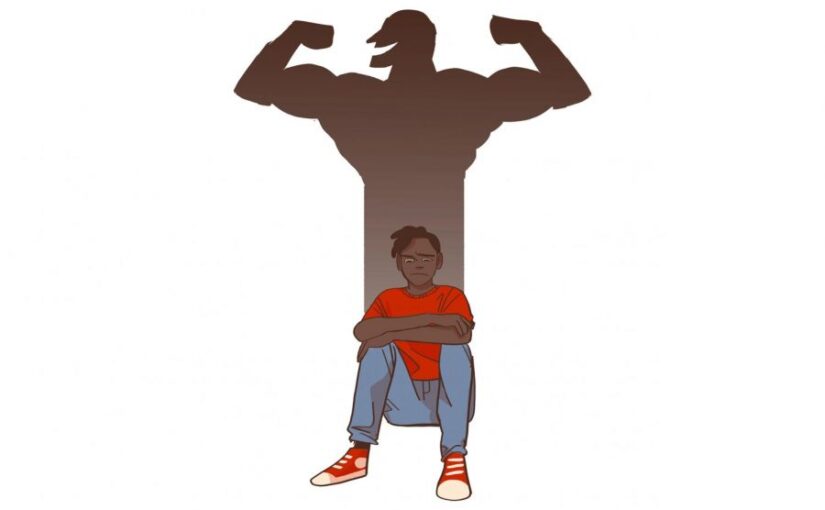
My project topic is on toxic masculinity, a set of behaviors and expectations that society has placed on the male gender and negatively impacts men and the communities we live in. I chose this topic because I was interested in the male perspective of oppression instead of women, and we don’t talk about the social challenges that men face as much as we do women’s. I obviously couldn’t cover everything on the male experience so I decided to focus on forced identity, but even that was too broad. I narrowed it down to toxic masculinity because while women are suppressed in many ways, at least we are allowed to share our emotions freely and are open to be sensitive. Men do not have this privilege and instead, they already have their paths paved as the money-making, aggressive, strong, womanizing gender. This relates to forced identity because lots of men have to hide or suppress their true identity, whether that is their sensitivity, sexuality, gender identity, or even a hobby that they enjoy that may be seen as “too feminine”. Toxic masculinity is very damaging to the male psyche and it portrays men in a very negative way. There are many males that embrace this identity and it’s very dangerous for everyone.

Here is the link to my presentation slides :

https://docs.google.com/presentation/d/1-dV_Csr-CeOhIeCsaDxZbM1BmC_rSgKQWedmfUJ-kMQ/edit?usp=sharing

Post 12: Presentations (May 4) – Samina

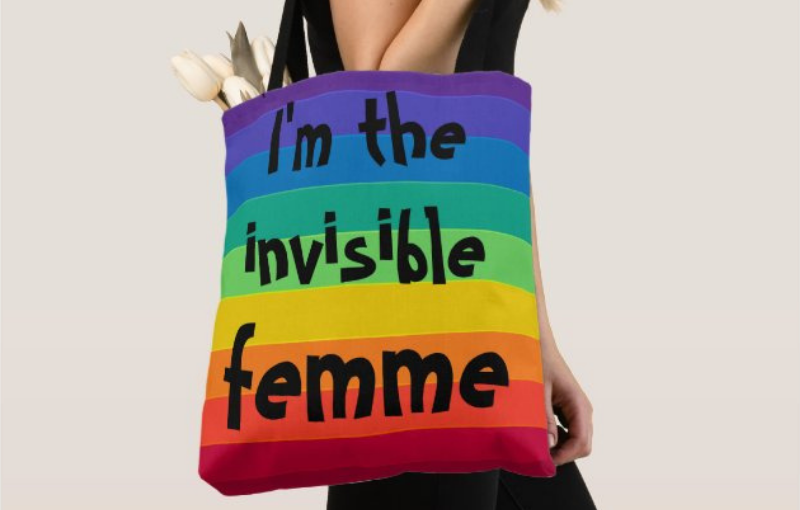
I’m deciding to create a Public Service Awareness Campaign for my topic as I believe the topic of femme invisibility is so overlooked upon in the LGBTQ community. I want to create a poster as well as a video outline of what would be included in this PSA, and where to find more information. I think it’s important to raise awareness about these individuals that face stigma because they don’t fit the societal norms that come with how queer women are supposed to dress or act like.