Post 14: Women in the U.S. Workforce

In my creative project, I decided to do a crossword puzzle based on Women in the US workforce. Women in the workforce have been an issue for centuries now because of sexism, racism, discrimination, etc. Women are constantly facing gender inequalities daily. Many women have lost their jobs or had to leave because they wanted to care for their families after the global pandemic known as Covid-19 erupted. In my opinion, I feel like this issue should be addressed more often based on gender inequalities and how women feel left out, which can affect their mental health. As a result, I chose this subject to raise awareness about this issue. I collected vocabulary words from my research article and reports I read after deciding to make a crossword puzzle. This helped me organize my creative project when I was creating the terms and format of the game.   

The crossword puzzle relates to my research topic on women in the US workforce because it has definitions based on the surrounding of women in the workplace related to my research topic. And I think it is enjoyable, especially since we’re in a pandemic right now  and it is a fun way of learning new material based on vocabulary words. The format that I chose was to pick twenty words that I knew and learned that are important and put them into a generator that includes across and down options for the vocabulary words. The game’s goal is to fill in the white squares with letters based on clues and definitions, leading to the answer. But in the game there are some words that don’t include a space between two words which is number 5, 6, 9, 10,  18. Thus don’t be alarmed by a missing word in the word cross. 

Throughout the project, I’ve learned that one in four working women (25%) say they have earned less than a man who was doing the same job (Parker & Funk, 2017). This point is shocking, and it was written four years ago, and little has improved for women in the workplace. This figure reinforces sexism, misogyny, and other types of prejudice because of women’s willingness to function.  My elementary teachers are the inspiration for my creative project because I used to be given crossword puzzles to learn new materials based on word meanings when I was younger. And it’d turn into a race to see who knew the content and could fill in the blanks with vocabulary terms.  

Overall, the project gave me a better understanding of the current state of women in the workplace in the United States. The disparity between men and women in the workplace exemplifies racial discrimination and sexism, and we need to discuss this issue more often as a community. Women were unable to find work in the 1980s and 1990s because they had to support their families. However, there has been a significant shift over time, with women now being encouraged and obligated to work because everything revolves around money. As a result, this project will not only teach the audience vocabulary but also have historical context.

Below is the link to my crossword puzzle, enjoy: https://crosswordlabs.com/embed/women-in-the-us-workforce-2   

Word choices:

Across: Disparity, Labor market, Wage gap, High ranking, Financial stability, Stereotype, Minimum wage, Housework, Marriage-bar, Millennials, Employment Education level, Segregation

Down: Gender roles, Workplace, Pandemic, Gender inequality, Sexism, House wife, Racism

Post 12: PowerPoint Presentation

My independent project is about women in the workforce in the United States. I chose this topic because it is a persistent problem in the where women are often oppressed due to their ethnicity, race, gender, or educational status. I was always curious about wage gaps and how women are treated on a daily when working. I decided to do a crossword puzzle because I think it’s a good opportunity to know vocabulary terms and concepts by constructing a game. My crossword puzzle covers a wide range of definitions in the articles I’ve read. My ideal plan for the game is to help create more awareness surrounding Women in the workplace and at the same time educate people on this topic.

Post 10: The Master’s Tools

Serita

Based upon Audre Lorde’s essay, The Master’s Tools Will Never Dismantle the Master’s House, I certainly agree with Lorde’s statements. This is because she talks about the roles of how different race, sexuality, class, and age intervenes with feminism. She emphasizes that “in a country where racism, sexism and homophobia are inseparable” (Lorde, 122). I agree with her connections because there’s still no change or little change in our world where women deal with racial inequalities. Racism has been an issue for as long as our ancestor lived. Lorde also mentions how women today have a stretched-out gap of male ignorance and how oppression places a role in racist patriarchal. Thus, I can’t express any further on how Lorde’s essay reflects on our society today on racism and homophobia spreading. I believe her essay can be modified in a way where we can relate to our world today even though her essay was written in the late 90’s. Lorde highlights the exclusion of Black women from mainstream feminism, which includes lesbians and nonwhite women in general. The differences between white women and black women illustrates the aspect of oppression and how privilege and power is in full effect. However it is essential to fight and stand up for racial inequalities such as Black Lives Matter.

Post 11: Research summary

Serita

Inequality in the workplace for women has been a concern for decades. Women face discrimination, sexism, sexual assault, and other types of harassment regularly, and these events go unreported. Because of their educational level, color, ethnicity, and unacceptable pay disparities, women face sexism in the workplace (Parker & Funk, 2017). The global pandemic Covid-19 exacerbated gender inequalities in women’s work, such as housework and caregiving. Furthermore, due to the pandemic, more women than men left the workforce to care for their families and safety. With the decline in jobs, the pandemic has posed significant challenges for people of color, especially Black women and Latinas (Berger et al., 2021). As a result, women’s disparity changes due to the industry’s impact on race and history. Women’s and men’s gender stereotypes, on the other hand, are viewed differently in the workplace. 

Moreover, women are now getting more schooling, while in the 1990s, women only had the opportunity to be educated if they were rich. These inequality issues tie back to how women in the workforce decreased due to the pandemic; many women stayed home and took care of their children. In the United States, men and women have long been at odds; but, they should be treated fairly and equitably. It is important because women have been subjected to sexism and inequality, which has a negative effect on their mental health. It has been shown that men are more likely than women to be CEOs of a business due to gender inequality, which makes it more difficult for women to become CEOs. As a result, women should have equal opportunities as men.

Post 9: This Bridge Called My Back

Serita

An entry from This Bridge Called My Back that I think is important and caught my attention is When I Was Growing Up written by Nellie Wong

When I Was Growing Up is significant because Wong examines how white women, are looked upon compared to women with darker skin color who do not fit in, including herself. She informs the reader about her personal and living experience of trying to fit in with rich young females because of how they looked and dressed when she was growing up. Wong is a Chinese American like me, and I understood her perspective on Asian stereotypes such as being a “smart Chinese children.” This highlights how Asian stereotypes are determined by their educational level. TBCMB is similar to the other essays in the series in that it is written by women of color, and the writers focus on intersectionality in feminism, which examines how race, gender, and sexuality interact to affect how people live their lives. White feminists, according to the authors of TBCMB, should not ignore this crucial problem of gender inequality.

Two quotes that I found are good representation of the poem is:

“When I was growing up, I read magazines and saw movies, blonde movie stars, white skin, sensuous lips and to be elevated, to become a woman… ” (Wong,7). This quote I have chosen written by Wong mentions how society looks upon white people because of their white skin, hair, and being “pretty.” This quote stood out to me the most because it demonstrates how white people are privilege than women of color. And how young females get influenced by watching movies and magazines wanting to change their identity to look “prettier.” This quote is important because it shows how we should appreciate our race and body image.

Another quote that I found interesting is “when I was growing up, I hungered for American food, American styles, coded: white and even to me, a child born of Chinese parents, being Chinese was feeling foreign, was limiting… ” (Wong, 7). Wong’s quote talks about how being a Chinese American, she felt left out not fitting in because of how her culture is different from that of White people. This quote stood out to me because nowadays, everyone wants to fit into society, such as eating American food, putting makeup on. After all, we see White models in magazines, etc. This quote is significant because women should not base their identity and intersectionality because of their race.

Annotated Bibliography

By Serita K.

(Topic: Women’s inequality in the workplace)

Online sources:

  • Berger, Michele W., et al. “COVID-19 and Women in the Workforce.” Penn Today, 17 Mar. 2021

This source analyzes how Covid-19 affected women in the workforce. Women left the workforce more than men due to the pandemic, which employment rates raise. This article relates to my topic because it talks about women in the workforce and how inequality plays a role in their skin color. It offers my project a detailed example of how Covid-19 impacted many women around the US and how the industry is an essential factor for workforces. Thus, the article is helpful because the authors give examples from a female perspective on how women in the workforce can be challenging when having a family.

  • Parker, Kim, and Cary Funk. “42% Of US Working Women Have Faced Gender Discrimination on the Job.” Pew Research Center, Pew Research Center, 7 Aug. 2020

This source talks about how working women experience gender discrimination at work and how wages play a part in this situation. The authors go into depth about gender gaps in the US. This source relates to my topic because gender roles impact women in the workforce. Women are treated differently because of their educational levels to get a job. This offers my project on how race and ethnicity differ. The wide gap between men and female in the views of gender discrimination changed overtime. Therefore, this source is helpful because it gives me data based on surveys on how women’s inequality in the workforce differs because of educational level, race, ethnicity, and wage gaps.

  • Froehlicher , Marie, et al. “Gender Equality in the Workplace: Going beyond Women on the Board.” Accelerating Progress, 5 Feb. 2021

In this article, Froehlicher et al. explains how percentages of women in the workforce affects their wellbeing and how the pandemic shaped working women because of responsibilities at home. Also, how women board is vital to improve gender inequality in the workforce. This article relates to my topic because the pandemic has changed women’s perspectives in the force, such as taking care of family and working remotely for safety reasons. This article offers my project examples and explains how women’s inequality in the workforce should be acknowledged due to imbalance. Hence, this article helps recognize women and their ability to enhance responsibilities on top of work; recruiting more women in the workforce would be beneficial.

  • Annis, Barbara, and John Gray, 2013. “Are Women Being Excluded?” The Huffington Post. The Huffington Post.com.

Throughout the blog, the authors discuss the barriers between women and what they face daily in the workforce. Women’s feelings of exclusion are due to the recurring fact of sexism because of their gender. This blog is connected to my topic because the gender inequality between men and women are highly impacted, making women feel left out. Thus, it offers my project the perspective of both men and women in the work field. Overall, the blog is applicable for distinguishing women in the workforce and how women tend to be limited in opportunities such as sponsorship, mentoring, and not being heard in meetings.

Scholarly articles/journals:

  • Devillard, Sandrine, et al. Still Looking for Room at the Top: Ten Years of Research on Women in the Workplace . Mar. 2018

This scholarly source mentions companies had fewer female executive members, and women are constantly stereotyped in a work environment. This source is related to my topic because of women’s absence and lack of promotion because of their gender. Like so, it offers my project the point of view of women feeling less confident because of their opportunities at work. To conclude, this source is helpful because it demonstrates women’s burden and how women are more likely to do household work while working full time. 

  • Ziman, Rebecca L. “Women in the Workforce: An In-Depth Analysis of Gender Roles and Compensation Inequity in the Modern Workplace.” University of New Hampshire Scholars’ Repository, 2013, Fall

In this article, Ziman discusses gender roles and major factors contributing to women’s leadership roles in the workforce. She talks about the growth of women in the workforce since the 90’s and how it develops overtime leading to inequality. This article is related to my topic because of how women are juggling work balance and life outside as a parent and it can tend to be demanding. Thus, the article provides how salary escalates overtime impacting females and even mens. It is also helpful since the author provides background information for the readers like including graphs on how salary is impacted in the workforce. 

Post 7: Black Feminism

By Serita

Audre Lorde’s poem relates to the movie “Black Feminist” because they both discuss how feminism is ingrained in the society and how racism is the primary oppression for Black women.They also raise awareness of how women’s problems are limited and apolitical, showing that black feminism is a barrier that must be overcome.

Audre Lorde, “Who Said It Was Simple” illustrates that Black Women are constantly being unhearable making them silent. For instance, she states, “the women rally before they march  discussing the problematic girls.” It displays that women come together to renew an effort to fight their own rights where then the society would assume it is a “problematic girls problem”. Lorde also explicate the power of White hood. White Counterman are almost always privileged first, making Black women serve last. Slavery delineate the privilege of wealthy people and how racial inequality places a role in Black feminism.

In contrast, in the film “Black Feminist,” they discuss how society treats Black women because of their ethnicity and race. According to the bizarre myth depicting how feminism approaches men’s superconscious, “Feminism is nothing but man hate.” As a result, culture encourages the sense of what is referred to as “norms.” Society teaches boys to terror fear, weakness, and failure. But embracing femininity isn’t deemed acceptable to others.

The aims of Black Feminism, according to the poem and the film, are to affect our culture to combat gender and racial inequality. Since feminist issues aren’t discussed as a whole, it’s a different kind of “mainstream” feminism. It focuses on the privilege of white women’s issues instead of women in color. Therefore, both Lorde’s poem and the move shows personal and intimate feelings of black feminism.

Post 6: Bibliography

By Serita K.

Online sources:

In this blog, the authors contribute to both men and women in the workforce. They address it by giving percentages between both genders. This blog is reliable and credible by academic standards because one of the authors has a P.h.D. Also the layout in the blog is well organized and gives multiple examples of the authors claim.

This source is reliable because the writers talk about how Covid-19 impacted women in the workforce and gives multiple examples and sources from women’s point of view. This source is credible and objective by academic standards because I found no grammatical or spelling errors as well as the layout is well organized. This source also has a domain name therefore it is credible.

The authors present gender equality in the workplace and how companies hiring a specific gender based on race, culture, etc. This article is reliable and credible because it covers examples and is relevant to my topic. The authors also cite articles based on News Articles  and create charts and graphs on the statistics they found while creating this article.

This source presents the data of gender discrimination at work and working women experiences in the United States. They conducted surveys to support their argument in the paper.This source is reliable and  credible by academic standards because it provides a thorough argument and backs up their statement by providing a graph based on surveys from different  working women. The authors also include valid points for evidence throughout the article.

Scholarly articles/journals:

This scholarly source is reliable and credible by academic standards because the authors constructed a study in how women lead in different ways than men and had a thorough procedure in their experiment. The source also includes exhibits and graphs which demonstrates that the authors had their sources planned out. Thus, this scholarly journal is not only reliable and credible but supports their claim by performing an experiment between two groups.

  • Ziman, Rebecca L. “Women in the Workforce: An In-Depth Analysis of Gender Roles and Compensation Inequity in the Modern Workplace.” University of New Hampshire Scholars’ Repository, 2013

https://scholars.unh.edu/cgi/viewcontent.cgi?article=1158&context=honors

Rebecca L. Ziman scholarly journal talks about women in the workforce and illustrates examples from articles and sources Ziman found. This article is reliable and credible  by academic standards because it is an “.edu” website. Furthermore, she inserts bar graphs and explains her results she learned in her experiment. 

Independent Project Plan

Serita K.

For my project I decided to focus on Women’s inequality in the workplace

Things that I need to know about my topic in order to contextualize and discuss the is knowing and learning the history of work forces and how the pandemic changed womens in the workforce. I also want to explore deeper on how wages changed over time throughout the US. As well as the effect of the wages, and how having a family will affect women with working.

My project relates to industry, government, history, etc. Throughout my project I will discuss topics that includes gender, history, sexism, race based in the US. Each factor relates to my project because it exemplifies the background and history of the women labor forces, and how industry is an important factor for work forces. Thus, in order to discuss the topic successfully I need to find sources and information between men and women inequality in the workforce

Intersectional analysis

Serita K.

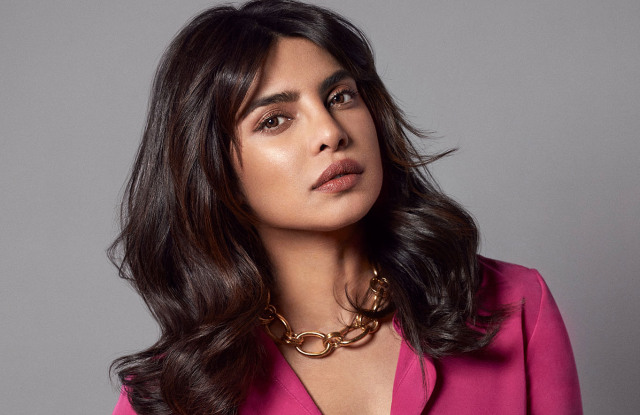
Priyanka Chopra Jonas is a famous Indian actress, singer, and film producer, who is one of India’s highest-paid entertainers. Chopra got bullied due to her dark skin color and ethnicity when she was young. She started her career path in film and music, and it became an empowering figure as a woman. Chopra was the first South Asian lead of an American tv show. She stated that “India will always be her identity” and that portrays herself as a proud feminist. She relates to power and privilege because both her parents are doctors in India. Priyanka claims that quarantine has been humbling for her and states that people in India are dying of hunger and not of Covid; it makes her realize the privilege she has with her family and husband.


Chopra navigates the world through multiple identities as an Indian actress and celebrity. She promoted a controversial skin lightening cream from the brand Garnier and learned to accept her skin color even though the media acknowledges her to get plastic surgery. Chopra is known as an asset when she raises awareness for young children and young women. For example, she serves for the United Nation Foundation’s Girls Up campaign and raised awareness for life-changing opportunities such as young women’s ability to attend school, seek medical help, etc. She might hinder against suppression when it comes to the media judging her based on culture and ethnicity. I learned that Chopra growing up was insecure about the way she looked, but now she’s one of the wealthiest Indian actress. Overall, intersectionality should be taught to the younger generation and the society.