I believe that we get to choose our own identity through any aspect we want whether it be through expression in clothes, appearance, and or gender. We can express our identity in anyway that we see most comfortable and allows us to feel like ourselves. I believe that our identity is most of the time chosen for us by those in society because we give labels or guidelines of what and who we should be. For example, in most cases many people are “assigned” a gender by their doctors and parents. They are given more feminine or masculine names and dressed in clothes that seem appropriate to the ways of society because in their eyes, if you are a girl you must dress and act like a girl or else you are seen as a tomboy and if you a boy you must dress and act like a boy or else you are seen as gay which society sees as shameful. The trend of identity in my eyes seems to always start with the person, no matter how much their parents try to shape them into something that they want to see I believe that we all deep down know our true identity and the way in which we are supposed to live.
Posts
Gender, Identity, and Intersectionality
Arguably, there is a tremendous difference between the questions concerning who am I? and who do I want to be? When it comes back to the ideas proposed by society who uses gender as a stepping stone to situate people throughout civilization. That depends on the way you were born and you don’t have a say about your identity until you become of age to really understand. As a result, people break out of this so-called responsibility to tradition where they no longer want to be a part of a society that restricts individuals from living their truth. In which, it really comes down to people having this desire to be in full control of their own lives. That has to do with this trend that is constantly noticeable with society determining how everyone acts and speaks. When there is a constant correlation between what is allowed and forbidden in the eyes of society. Especially, when it’s in regards to what men and women are allowed to do. Society tends to fall into this repetitious pattern that prevents individuals from being who they are. They don’t want to be held back from these impossible expectations that were created by society who waves it over our heads and pressures us to follow in line. It’s not until then that we start to gain more perspective and allows us to determine our identity. Therefore, I believe that we need to work on communicating with each other about what we exactly need from society in order for us to feel free and comfortable to be ourselves.
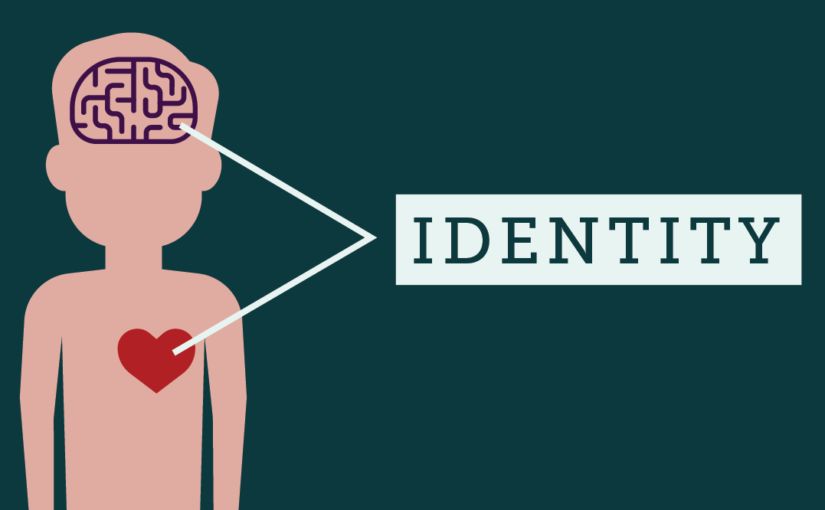
Our Identity
Before we are born our identity is chosen by the test that our doctor runs where our genetic makeup is seen to see if we are a girl or boy, which later everyone in our lives will identify us and pick out boy clothes or girls clothes. But as we grow older, we get to have our own say and have our own personalities and we notice what we would like to be identified by. I feel like our society has built these identities and has built up boundaries where boys should like dark colors and like certain things and girls should wear makeup and become stay-at-home wives. But with time we get to notice that there have been movements and changes that people want within our society. People are now asked what they go by so they would feel more comfortable and not identified by their looks. I feel like this has always been something that is considered to be normal when our parents decide what we are from how we look and they play a role in telling us and giving us the things that our gender should do and not do.
Identity
An individual has the power to choose their own identity. It is simply a label that you choose to apply to yourself. Gender, sexuality, ethnicity, nationality, and religion are examples that can be referred to as part of an individual’s identity. Identity is fluent as it can be controlled by our decisions and interests, however, other individuals can have an impact on our identity. Mainstream media can have an influence on identity as well.
Social identity is how other people view ourselves. Whether it is pertaining to aspects that we have do not control over, such as race and family relations, it can be difficult to manage our identity. What truly matters is how we see ourselves, yet society plays a role in personal identity. Depending on the circumstance, some aspects of our identity can be manageable. Nonetheless, in some cultures, sexuality is not an attainable part identity of some individuals identity. Being part of the LGBTQ+ community is illegal in various countries around the world. Political institutions such as national government and law enforcement control the behaviors of their citizens, thus being part of the LGBTQ+ community cannot be embedded in one’s identity. These forces regulate societal interactions as it can cause homophobia and hate crimes. Choosing your identity can be seen as a privilege.
Gender, Identity and Intersectionality
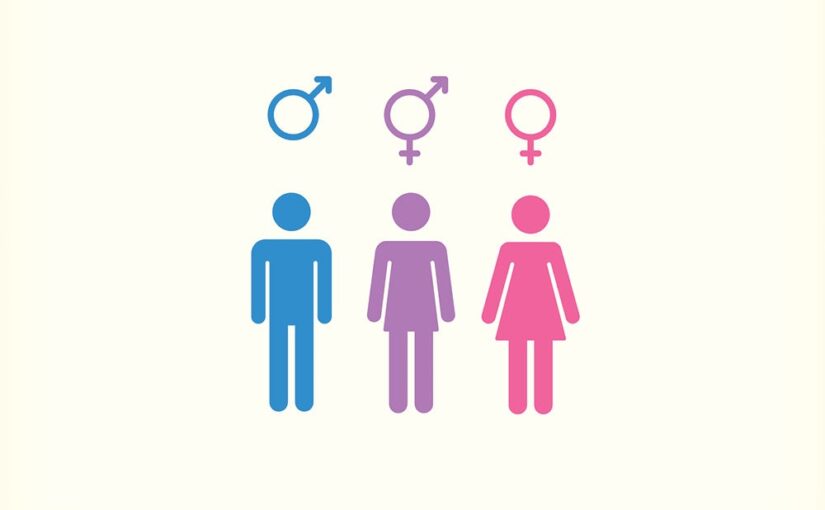
I believe that when you are born, your gender is placed upon yourself by the genitals you are born with. As you grow older, you start to realize that you get to choose how you identify yourself and that society is more diverse than just the two “normalized” genders, male and female. As your life progress, you learn how you set yourself as publicly and embrace the life you want to live, regardless of what society has to say. Some parents may only see you as their child and you are going through a “phase” but its more than just that. You want to be seen as the person you want to be, not for someone to judge the way you look, or go about your life. There will always be people who criticize you but you have to learn that you are you. You need to understand how your put yourself as and want yourself to be identified as.
Our Identity
Identity is something that is chosen for us from when we are in the womb. From the moment we are conceived, society puts us into a labeled box telling us exactly who we are. My parents were the ones that chose my identity as a girl and since then they tailored their way of nurturing to fit the “girl” mold. Society assists in making sure we know our roles by constantly affirming gender roles in the media and public policy. I think that rich white male politicians are typically the ones that get to set the norms for the rest of society to follow. Whether we like it or not, norms tend to be set by those powerful enough to turn them into policy. Being that men are the most powerful in terms of money and influence, they feel the most equipped to manage womens bodies and behaviors. Femininity and everything it entails is often micromanaged by society and women’s bodies are under constant scrutiny by the patriarchy. It is not until we get much older and begin to educate ourselves that we begin to unlearn society’s teachings on gender and create our own identity free from misconceptions.
Identity
When we are born, we are automatically thrown into this world where our identity is given to us. You’re either seen as a girl or a boy and from that point on that identity is continually forced upon you. Girls and women are meant to be feminine; meaning to be caring, emotional, wears makeup and tight fitting clothing, etc. We are told who to be before we even get the chance to discover who we our for ourselves. As we get older and start to expand our minds and grow, we tend to form our own identities. We being to form our own personal style, uphold our own values, we learn how we want to be protrayed to the world and begin to live the life we want.
As people we need to unlearn these actions that we were taught. We are conditioned to believe that there are only two ways that a person could be. We can’t keep perpetuating this opinion because you have to think of everyone who is being hurt by this. Adults teach their children this idea, who then go on to teach their children, who then go on to teach their children, and so on. We have to let our children decide for themselves who they want to be.
Post 3: Identity
When we are born, our identity is shaped around our physical characteristics firsthand. Our eye color, hair color, and skin color are the first factors of our sense of identity. However, as we grow older, we are able to choose how we want to identify ourselves within society. Personally, I believe that our identities are shaped by our own decisions and interests. However, there are outside factors that can influence it, some of which can be our family, religion, sexual orientation etc.. Often times, it’s hard for people to feel content with their own identities as some families can be very controlling of how their child is, physically and socially.
Nonetheless, I believe our identities are still very much controlled by society in some way or another. For this, I will use the example of my cousin. She is very tall, and while shopping for her prom dress and shoes (two years ago), she was going to opt for heels. However, her best friend made a sarcastic comment about how she is already tall, she’ll make everyone else feel short. I remember that after that day, she wore flats to prom. She shared with me that she had felt uncomfortable, but I had to assure her that she should not have let someone else’s sarcastic comment lower her confidence and change how she wanted to identify herself at prom.
Therefore, we all need to start accepting ourselves for who we are, and not let society alter our decisions greatly in how we choose to identify ourselves in this world.
Idenity
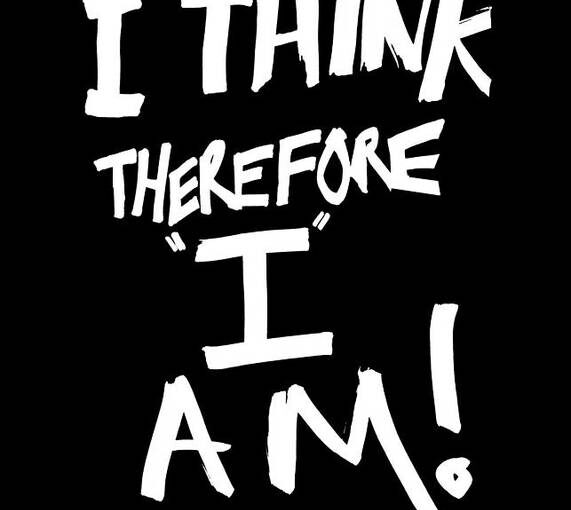
There are many forms of the identity of an individual out in the world. However, the two most common and most recognized are without a doubt self or internal identity and external identity. Internal identity also called self-identity is how a person views or sees himself or herself. This understanding or perspective on one’s “real” self dictates and justifies how we chose to interact with the larger world around us and the people that occupy our surroundings. We usually try to shield this part of us from the world at large, choosing to present an altered image so as to protect our vulnerabilities and insecurities. The process of hiding our inner selves varies for everybody, depending on how comfortable one is with their own identity and how comfortable or trusting one is of other people. Then there is the external identity, the way we want to be seen in the world. What we say, do, act, or don’t say, do or act is what other people see and base their judgments and assessments of your character, personality and value on. We like to think we have control over this form of identity and we dress and speak and behave a certain way to create and maintain an image but in reality, we generally have very little control over our external identity. This is because we cannot control other people’s self-identity and thus cannot regulate how they choose to interact and view us through their perspectives. While other types of identity exist as well, these two forms appear to be the dominant forces and examples of a person’s identity in the world we live in.
Gender, Identity, & Intersectionality
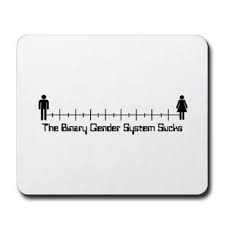
An identity was placed on me once I was born. Once my parents realized they were raising a girl, they bought pink dresses with flowers and dolls for me to play with. Society decides what qualities belong to women and men. This is also influenced by religion. For example, in Christianity a woman is supposed to serve and be submissive to her husband. This ultimately gives her no control over her own life. This means she should never correct him, or disrespect him. In the Bible, it states that women were made for men.
All of this was definitely a huge influence on societies views on gender. There are unquestionably more rules for women and all other genders versus men. All genders beyond men are constantly questioned or interrogated. I will never be able to understand why people feel the need to impose their opinions onto others.

