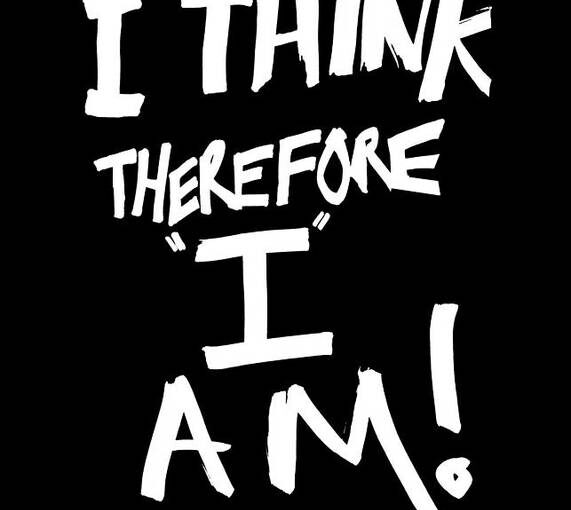
There are many forms of the identity of an individual out in the world. However, the two most common and most recognized are without a doubt self or internal identity and external identity. Internal identity also called self-identity is how a person views or sees himself or herself. This understanding or perspective on one’s “real” self dictates and justifies how we chose to interact with the larger world around us and the people that occupy our surroundings. We usually try to shield this part of us from the world at large, choosing to present an altered image so as to protect our vulnerabilities and insecurities. The process of hiding our inner selves varies for everybody, depending on how comfortable one is with their own identity and how comfortable or trusting one is of other people. Then there is the external identity, the way we want to be seen in the world. What we say, do, act, or don’t say, do or act is what other people see and base their judgments and assessments of your character, personality and value on. We like to think we have control over this form of identity and we dress and speak and behave a certain way to create and maintain an image but in reality, we generally have very little control over our external identity. This is because we cannot control other people’s self-identity and thus cannot regulate how they choose to interact and view us through their perspectives. While other types of identity exist as well, these two forms appear to be the dominant forces and examples of a person’s identity in the world we live in.

