
Author: Ariella Citelli
Post 12: Presentations


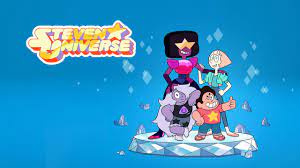
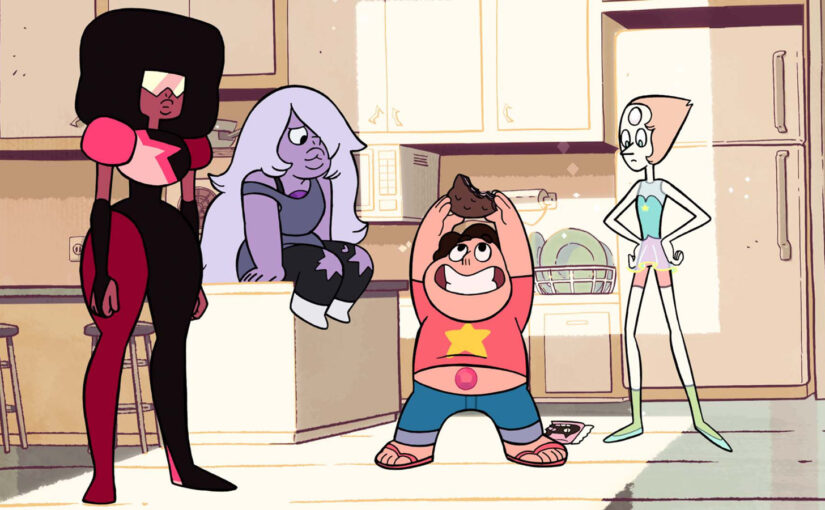
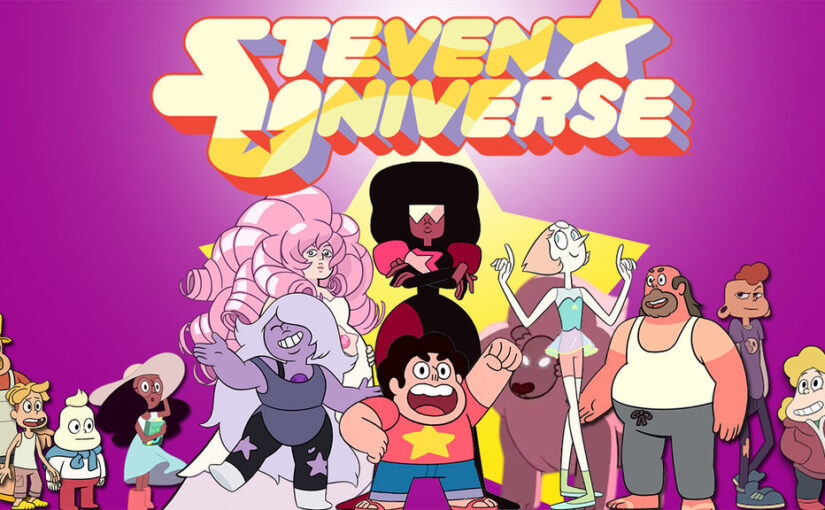
In my project, I set out to research gender and queerness in Steven Universe. I found that instead of introducing a gender binary, the show encourages characters to live fluidly. The crystal gems rebel against the diamonds who rule their home planet. They live on the earth freely, refusing to fulfill the roles they were meant to fulfill. Characters do not have to abide by any heteronormative structures. Steven does not fully belong to one group or another because he is half human and half gem. His experience could relate to someone who identifies as gender queer. The show is also able to display a world where people can exist without patriarchy or a gender binary. I choose to share the points in the slides to prove how the Steven Universe portrays a world that exist outside of heteronormativity.
Post 10: The Master’s Tools
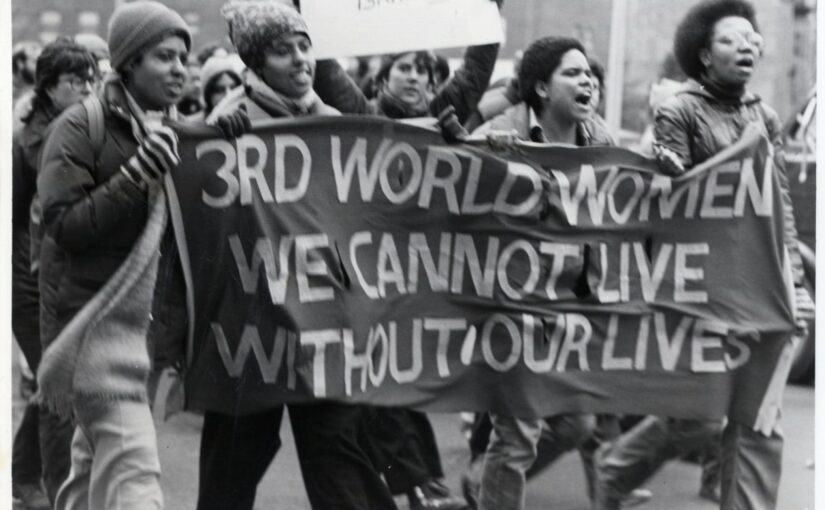
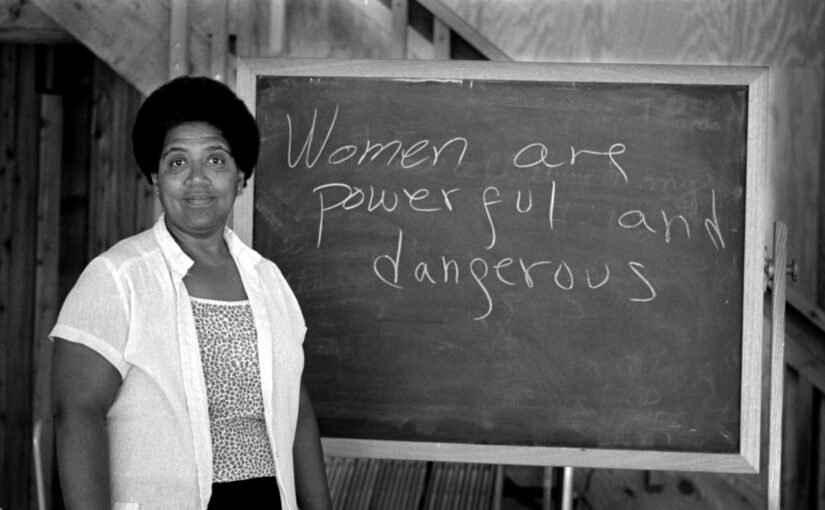
I agree with Audre Lorde’s points made in the essay. If white women actually cared to find other black feminists to speak for the conference then, they would have found other speakers. The “we did not know who to ask” was not an excuse. This was a way for them to be blame free. They didn’t want to look racist or homophobic. They wanted to appear “inclusive”. The white feminists only sought to better the lives of middle class white women. If these women were able to become educated in white feminist theory then, they could have become informed about black feminism, and lesbian issues. They clearly did not care and were self-serving. The conference was excluding women of color and lesbian women from contributing anything. The intention of the conference was to appear as though they were dismantling patriarchy, when in reality they were upholding it. If women of color and lesbian women are left out of the conversation then, the conversation still serves the “Master’s House”.
Lorde mentioned if women all sought to examine their differences then, they would be able to utilize those strengths. The problem with patriarchy is that it does not want women to realize the power they have. The patriarchy teaches women to be weary of differences because it causes “separation and suspicion”. In discovering the differences between women, they could begin to create out of those differences. Once women have a common cause, they can utilize their power as a community to fight against the patriarchy. This community only desires “a world where all can flourish”.
Research Summary
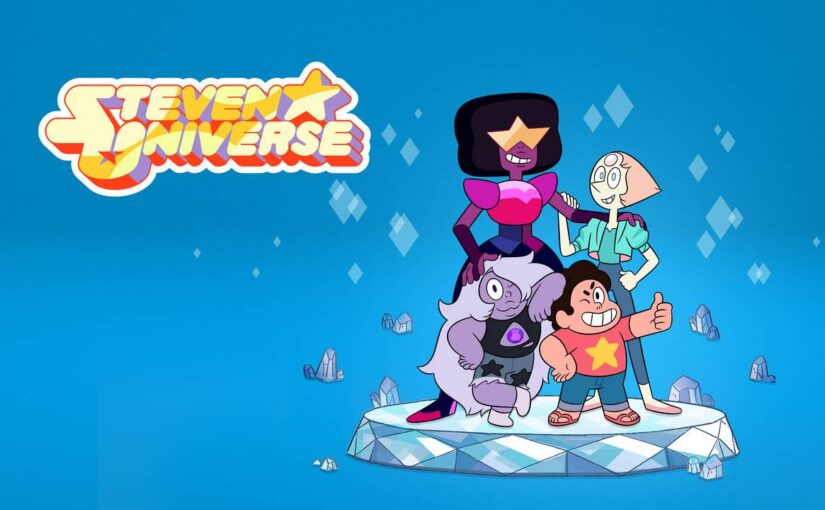
I have found that Steven Universe is a children’s show that has a positive impact on children. Many parents are against children learning about queerness because it is seen as an adult issue. Yet, the show does not introduce queerness as a concept. The shows allows for people to understand fluidity. The shows message is to create a queer future where love, acceptance, and fluidity exist. Garnet as a fusion is not queer because she is made of two aliens who use she/her pronouns. Their fusion is queer because two aliens live their lives constantly fused and this is a non-normative act in the Steven Universe world. Steven being half human and half alien does not allow him to fully belong to one group or another. He exists in the in-between which is similar to the experiences of queer/ nonbinary, trans, and black and brown people.
I will be creating a collage that reflects how Steven Universe allows for creatures, humans, and aliens to exist fluidly. Characters never discuss pronouns or being male or female. Garnet, Amethyst, and Pearl do not fulfill their expected roles and are seen as rebels for not conforming. Every character exists outside of the binary and audience members don’t expect characters to fulfill a specific gender role. The show subtly hints to gender concepts and queerness, while never explicitly addressing them as systems that were already in place. In the real world, there is a binary and if we do not abide by structures that have been in place then we are seen as failures in the eyes of our parents and society.

This Bridge Called My Back
I have chosen Jo Carillo’s “And When You Leave, Take Your Pictures With You”. It can be found on page 60. I think this poem is important because when thinking of white feminism I think of how they don’t fight for issues that affect women of color. This poem refers to when white people use pictures of people of color to appear inclusive. It is an example of the White Savior Complex.
Jo states, “our white sisters radical friends love to own pictures of us sitting at a factory machine wielding a machete in our bright bandanas holding brown yellow black red children reading books from literacy campaigns holding machine guns bayonets bombs knives.”
This text refers to occasions when white women use pictures of people of color and portray them negatively. Which then makes the white people look like they are doing a kind thing by helping these “poor” black and brown people. A person who is a white savior is someone who “helps” people of color to make themselves look good. This text is loaded with negative stereotypes of people of color.
First, it refers to the people holding weapons in a factory making non-white people appear dangerous. Then it mentions children who are “reading books from literacy campaigns”. This paints the picture that black/brown children and their parents are unintelligent. This furthers the stereotype that children need assistance because their parents are incapable of teaching them to read. Which means white people are doing them a favor by “helping” the children. Lastly, the quote mentions children holding weapons which portrays people of color as violent people. It scolds parents for raising children to use weapons.
This poem relates to other passages from the book because they all mention discrimination against women, against people of color. Some of the poems/essays are personal experiences of being otherized. The book mentions instances where white women were racist. Each passage is influenced by each women’s own definition of feminism which was established from the culture they grew up in.
Black Feminism
Black Feminism as discussed in the film was created as a reaction to the black liberation movement and the women’s movement. The black liberation included men and the women’s movement included white women. The goals of black feminism is to free women from “patriarchy, sexual exploitation, and oppression”. Black women don’t want to have to choose between blackness and womanhood. Black feminism expects, demands equal treatment from men. Black feminism wants to be recognized as separate from the feminist movements. Black feminism recognizes class, race, and gender discrimination. These exist because of the oppressive power that is the white patriarchy. Black feminists want autonomy.
In Kimerle Crenshaw’s Mapping the Margins, she discusses women who stayed in shelters in Los Angeles. Assaulted women who are unemployed or want protection look to stay in shelters. Many live in poverty, and have to care for children, which adds to the women and class oppression. This is an example of how gender and race intersect and factor into the treatment of black women. This directly shows how patriarchy exists and intertwines with racism in many situations.
The Feminist movement pushed to take care of the needs of women who were middle class people. Feminism avoids discussing matters of intersectionality. This movement suggests men are superior, while women are inferior and not treated equally. This feminism includes white women, cisgendered, and heterosexual people and excludes all others.
Annotated Bibliography
Elizabeth Moore, Mandy. “Future Visions: Queer Utopia in Steven Universe.” Research on Diversity in Youth Literature: Vol. 2: Iss. 1, Article 5. Jun 2019,
https://sophia.stkate.edu/cgi/viewcontent.cgi?article=1069&context=rdyl
When queerness exists in children’s shows, many are quick to say the content is extremely adult for children. This article examines the links between children and queerness. Even sexuality is seen as something meant for adults and not for children. The show imagines a queer future that includes “love, acceptance, and playful fluidity”. The article mentions how the show doesn’t address the violence of colonization. It shoots for inclusivity when depicting characters, yet highlights white queerness instead. Fusion is to be used only for fighting purposes according to the diamonds. Fusion is clearly queer and intimate. Garnet is a healthy relationship between two gems from different classes. The Diamonds exist as colonizers and oppressors.
Brammer, J.P. “Steven Universe Is the Queerest Animated Show on TV.” Vulture, 30 Jan 2017,
https://www.vulture.com/2017/01/steven-universe-the-queerest-cartoon-on-tv.html
This article mentions an episode where Pearl has a crush on a girl. The audience is able to distinguish that this is the first queer human character in the show. Prior to this, most queer implications are subtle and never directly addressed. The show doesn’t focus on gender and sexuality as concepts, it ignores them entirely. Steven Universe completely ignores the gender binary as an idea. The gems are genderless aliens, while Steven is half human and half gem. Steven defies the male gender expectations in everything he does. Steven is sensitive and unafraid to embrace his feminine qualities. Steven’s powers are not fixed in anger like most male animated characters with powers. Fusion is when two characters dance and combine into one character. The show suggests this is a romantic act. Garnet remains fused at all times because Ruby and Sapphire enjoy being fused as Garnet.
Cao, Caroline. “‘Steven Universe’: 5 Ways This Kids Show Was Queer Before Its Lesbian Kiss.” IndieWire, 13 Jul 2018,
https://www.indiewire.com/2018/07/steven-universe-queer-rebecca-sugar-1201983866/
The show steers away from heteronormative expectations. Fusion allows a character to be larger and more powerful; this can occur during toxic fusions. Fusion alludes to emotional associations with other people; it also informs viewers about consent and relationships. Fusion is a forbidden act on the gem’s home planet. It also mentions how Steven Universe addresses, pansexuality, polyamory, and nonbinary characters. When Lapis and Jasper separate after being fused they realize how emotionally fixed they’ve become to each other. This is an example of a toxic relationship. Even one character, Fluorite is a depiction of a polyamorous relationship. Fluorite is a fusion made up of six gems. This show illustrates a world without binaries and cisnormativity.
Halberstam, Jack. The Queer Art of Failure. Durham: Duke University Press, 2011. Print.
Halberstam utilizes low theory which “runs the risk of not being taken seriously”. It encourages failing by searching for ways to defy heteronormativity and capitalism. It challenges the ideas of heteronormativity and capitalism. Halberstam examines complicity and individualism. The book discusses how failure can be a process of growing in a positive way. It uses references from animated films and tv shows. It pushes readers to think about concepts in a non-normative way. Steven Universe encourages revolt just as Halberstam discusses in Chapter 1. Childhood is a time when children are “queer in nature but society trains children to be heterosexual”. Children are taught the idea of marriage and reproduction. Just as Halberstam suggests, animated films are about characters rebelling and Steven Universe is about revolution as well. The characters in Steven Universe disrupt conventional ideas of romance, gender, and sexuality.
“Alone Together.” Steven Universe, season 1, episode 37, Cartoon Network, 15 Jan. 2015. HBO
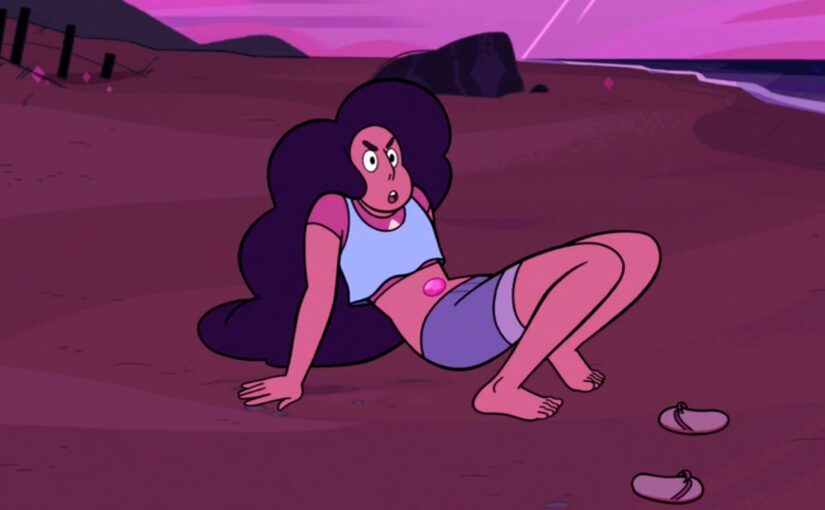
This is an episode from Steven Universe that I will be using to influence my project. Pearl thinks Steven isn’t old enough to start fusing and thinks it is improper when she sees Stevonnie. Meanwhile, Garnet believes in Steven and encourages him to try. Once they fuse, Garnet tells them to have fun and to see fusion as an experience. Steven and Connie are dancing in this episode when they accidentally fuse together. This is Steven’s first time fusing. This is a clear depiction of someone who is genderqueer. Stevonnie uses they/them pronouns. Both men and women find androgynous Stevonnie attractive. A nonbinary person does not need to be androgynous to identify as nonbinary.
Post 6: Bibliography
Elizabeth Moore, Mandy. “Future Visions: Queer Utopia in Steven Universe.” Research on Diversity in Youth Literature: Vol. 2: Iss. 1, Article 5. Jun 2019,
https://sophia.stkate.edu/cgi/viewcontent.cgi?article=1069&context=rdyl
This is a credible source because its references include queer theorists such as Butler, and Halberstam. This scholarly journal is from a “peer-reviewed, online, open-access journal hosted by St. Catherine University’s Master of Library and Information Science Program and University Library”
Brammer, J.P. “Steven Universe Is the Queerest Animated Show on TV.” Vulture, 30 Jan 2017,
https://www.vulture.com/2017/01/steven-universe-the-queerest-cartoon-on-tv.html
Vulture is an online magazine that is a part of New York magazine. This article references how Steven Universe completely ignores gender binary as a concept. Steven defies the male gender expectations in everything he does.
Cao, Caroline. “‘Steven Universe’: 5 Ways This Kids Show Was Queer Before Its Lesbian Kiss.” IndieWire, 13 Jul 2018,
https://www.indiewire.com/2018/07/steven-universe-queer-rebecca-sugar-1201983866/
This article is a site that has film reviews and other articles about film and tv. The article discusses the subtle references to queerness in the show. This article references character who are explicitly queer. It also mentions how steven universe addresses, pansexuality, polyamory, and nonbinary characters.
Halberstam, Jack. The Queer Art of Failure. Durham: Duke University Press, 2011. Print.
This is a book by queer theorist and professor, Jack Halberstam. It challenges the ideas of heteronormativity and capitalism. The book discusses how failure can be a process of growing in a positive way. It uses references from animated films and tv shows. It pushes readers to think about concepts in a non-normative way.
“Alone Together.” Steven Universe, season 1, episode 37, Cartoon Network, 15 Jan. 2015. HBO
This is an episode from Steven Universe that I will be using to influence my project. Steven and Connie are dancing in this episode and accidentally fuse together. This is Steven’s first time fusing. This is a clear depiction of someone who is genderqueer.
Post 5: Project Plan(Steven Universe)
For my project, I will be studying gender and queerness in Steven Universe. A collage will be constructed in order to explore how the characters break gender binaries. A few episodes will be used to reference the opposition of society’s traditional gender binaries. My project will be informed by the works of queer theorists. I will also take a post-structuralist approach when thinking about the characters. This project will relate to gender binaries, queerness, normativity, and expression.
Intersectional Analysis
Michaela Coel
TW: SA
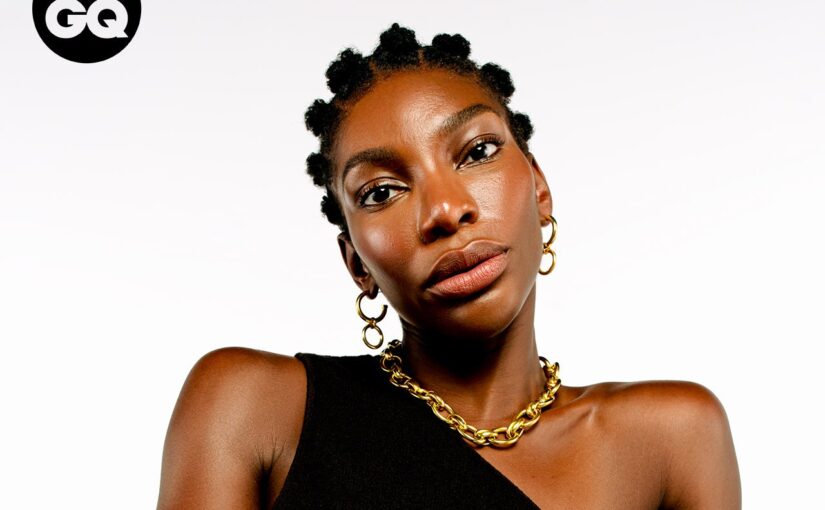
Michaela Coel is an actor, screenwriter, director, producer, and singer. She is a black woman. She has described herself as aromantic. She was born in London, England. Her parents are from Ghana. Her family was one of the few black families living on the estate she grew up on. She was raised in Pentecostal faith. As she attended Catholic schools, she was bullied during primary school for being the only black student. She also bullied students in return because of this.
During here adolescent years kids would use racial slurs against her. She started studying English Literature and Theology at the University of Birmingham and dropped out to pursue the arts. She enrolled in the Guidall School of Music and Drama. When she enrolled, she was the first black women to enroll in five years. Coel’s senior school project was a play, called Chewing Gum Dreams. The play was about Coel as a teenager, growing up in a religious home. The play got picked up and went on to become a tv show under the name Chewing Gum.
As a black woman working in the film industry, that is run by white cis men, she is near the bottom of the hierarchy. Yet, she has not been intimidated or knocked down in any way. She made a speech in 2018 revealing the racism and assault she had experienced while working in this industry. This exposed how little the industry cared when it came to these issues. While filming in Bulgaria, people took physical action to display their racism toward her and others.
She has had a difficult journey but has thrived incredibly. Netflix pitched her 1$ million dollars for her tv show, “I May Destroy You”, and she turned them down because they wouldn’t give her any percentage of the copyright to her story. She also wanted to be a “senior-level development executive”. They responded to her requests by saying, “it’s not how we do things here.” She eventually pitched “I May Destroy You” to BBC and they gave her all the control she wanted. Writing a story like “Chewing Gum” or “I May Destroy You” has allowed viewers to engage with all of her multiple identities, and experiences.

