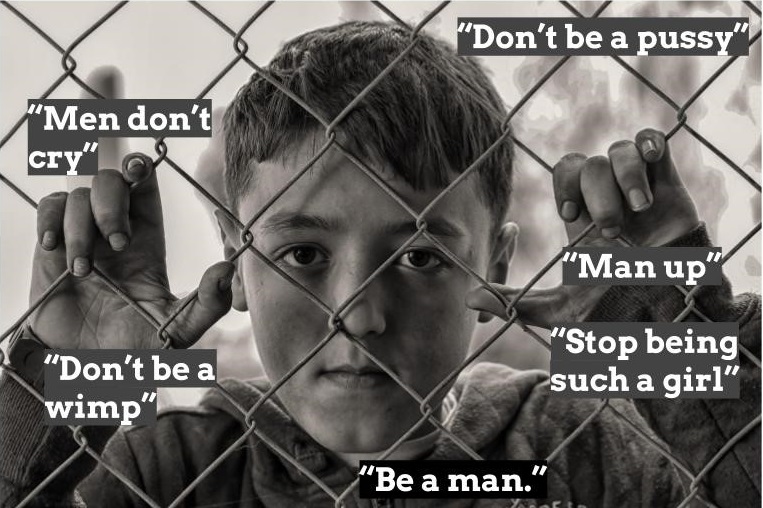
For my project I will be writing a Syllabus on a course that covers the topic of toxic masculinity in one of the South Asian peninsula countries- Bangladesh. There has always been a stereotypical view that toxic masculinity exists more heavily in Bangladesh. What I have observed from my research is that the culture and religion of Bangladeshi men are the cause of the toxic masculinity that is so heavily presented by the media in the South Asian peninsula. My research has shown that this toxic masculinity is also to blame for the large oppression of woman in these countries, especially when it comes to rape and domestic violence. My course will be challenging this research, by opening the eyes of students to the actual nature of global toxic masculinity, rather than what the news and media would like us to think. I will be sharing the key points of my opposition of the notion that toxic masculinity is more prevalent in this country as opposed to others. This is important in understanding that toxic masculinity is actually a global issue and to truly understand it and prevent it, we must first explore: why is it presented more publicly in Bangladeshi men? and what does the media gain through their efforts in driving us to believe that these men possess more toxic masculinity than others ?
Below is my project presentation of the reasons as to why we have these stereotypes and the reasons as to why I oppose this view.

