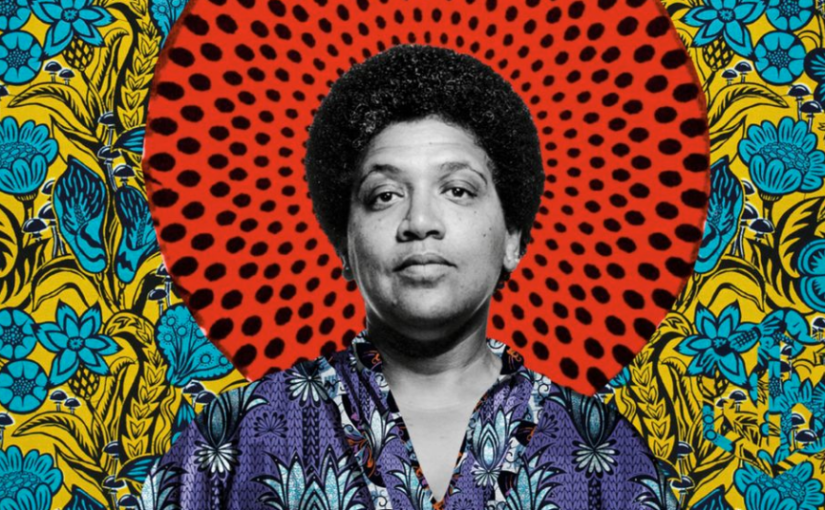
When I first read Lorde’s essay, I felt it was very discouraging and made it seem like we should not hope for a better world. But maybe it is not about using these tools or we are not strong enough, I think that she may be saying that we need new tools. I am not quite sure but I don’t think she is just talking about racism, I think she is also talking about class and education. I think instead of fighting the way we are fighting now, we need to think differently. Our methods at changing this world may not be working, and I think she might just be saying that we cannot fight fire with water, we need to try something else.
Category: Posts
Post 9 : This Bridge Called My Back
I chose “I walk in the History pot My People” by Chrystos because I think it can relate to many things. In her poem, she makes it clear that she is practically wearing her ancestors scars and battles. Her skin color reminds her every day of their struggles an her own. This is an important message for society because it goes back to how the black community is depicted in artworks and statues. There were many debates in 2019 about taking down statues of white slave owners that Americans call heroes. It was reminding the black community of their ancestors tragic past and discriminations. There was an article I read written by a black woman who made the argument that she is reminded of what all of the black people have went through from the past to today so there is no need for statues to remind us of it too, and I think this relates to Chrystos when she says “In the scars on my knee you can see children torn from their families bludgeoned into government schools. You can see through the pins in my bones that we are prisoners of a long war”. The pain that their ancestors felt will never go away because it still lives on in new generations, and these new generations have to fight the same battles. I think it is important for black authors to be heard and write down what they go through because they are not only speaking for themselves but for their ancestors, and I think that is Chrystos purpose. I think that it is extremely important for us to acknowledge black writers who are honoring and fighting for past and new generations because unlike their ancestors, they cannot be silenced. They deserve to be heard and deserve more respect.

Post 7 : Black Feminism
I chose “The Bridge Poem” by Donna Kate Rushin because I felt so many of the things that she was saying, I could relate to her words. While I cannot relate to her background, her specific situation, or her struggles as a black woman, I definitely understood her being “sick” of always having to explain to everybody the other side of things, be their therapist, give them advice, explain to people why their way of thinking is wrong, and how I get no appreciation or recognition for it. I am the type of person that understands that every person has a story and their own feelings, I will defend and help anyone who I feel needs it. Some people will disagree with me and believe what they want to believe, they may even go against me because of it. Donna explains the shoe is always making others feel good about themselves and takes care of them, puts them back into their right mind. She also says “I must be the bridge to nowhere/But my true self/And then I will be useful”. That quote really stood out to me because I feel that I need to figure this out for myself. while Donna faces struggles as a black woman that I cannot relate to or imagine, I think we are both learning the same lesson and feeling tired for wasting our energies on everyone but ourselves.
Final Project!
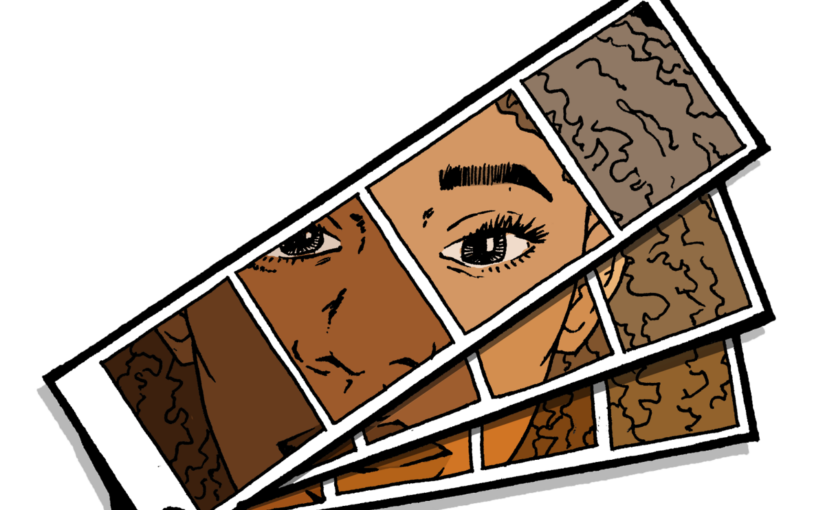
My final project is about colorism and specifically colorism in the media. In this PSA poster i have created, i share definitions, examples, and quotes relating to this topic, further strengthening the point that lighter skinned people of the same ethnic group are treated better in every way, compared to dark skinned people. Including examples of Hollywood and Shirley test shows the history of Hollywoods colorist ideology and how darker skinned people were never even thought of when it came to production and media. Colorism must be addressed more and this PSA along with the essay is a quick glance to acknowledge the standard of beauty that must be dismantled. More information given on the actual explanation in the link below
🙂
https://docs.google.com/document/d/1ZCRrEuKeCND_ynRwH3SbzKP1QMM6ivxcckWjEG_BEj4/edit


Post 13 – Scavenger Hunt
This activity was so fun! I am glad it was assigned since I got to explore the projects of all my peers. Everyone is so talented and creative, and expressed their topics in such diverse ways. I have a couple favorites, but most of all I learned a lot of facts from most of the projects about topics that I didn’t know before.
Post 14 Final Project: Shakti Sakhi
A campaign to awaken the power of femmes in Bangladesh
Background
Based on my research and area of my topic is Domestic violence against women in South Asia in Bangladesh. I want to bring more attention to the cause and solution idea that would improve the lives of those affected.In fact, this topic is very important to me because I have a position on the topic because this is something I have seen through lived experience. I was born and brought up in Bangladesh, a country in South Asia which received independence in 1971. Due to the war, the country’s resources were decimated. The country’s GDP growth was -14%, crops were constantly failing, floods occurred, political outlook was grim, and the war caused significant damage to every industry from manufacturing to transportation. It was a question at one point if Bangladesh can ever get over from its grimmed poverty? (Ribinson Austin). Bangladesh has been classified by the United Nations as one of the least developed countries since 1975. I am very affected by this topic through the lived experiences of going through these events. Every Household in Bangladesh whether they are lower middle class to upper class I grew up to have seen in our society back then while I was in Bangladesh women who are probably working household chores, going to shop, cleaning,cooking, taking care of children or elderly etc. The main reason behind the decisions motivating families was poverty and that there was no support from the government for families who are underprivileged, had no access to benefits, health care coverage, medicaid or social security system that offered them to fight against poverty at different intervals in their lives. They didn’t have many options to choose. Poverty was deeply embedded in every aspect of their lives. Their main concern was how they would be able to survive with their basic needs to live their everyday lives. Ethical relativism can play a role in explaining whether domestic housework and childcare support is something that would allow for families to double up and let nannies family who hire them too because it was very common problem was their husband left her or abuse them for a long period of time or husband or partner are not financially supporting at all and left them in a vulnerable or horrific situation where they have no choice to work as maid to fulfill their basic need in life. It allows them a monthly salary plus food, health care, other expenses that can be taken care of from the job. At least both of them were satisfied in that respect. On a daily basis still, it used to come to my mind to always question why are there always this vulnerability in these systems?
I was born and brought up until my age of 20 years in Bangladesh. Domestic violence is an issue facing women across the world from South Asia gender-based violence against women and femmes is in a country where women were oppressed by men.It is never okay if it happens to any person, and creates traumatic experiences that are painful, create stress and fundamentally alter one’s outlook and outcomes in life. It was always a question in my mind on why our society oppressed women.As I mentioned I have personally experienced by watching my neighbors, family or friends who are women not even knowing they are victims of Domestic Violence. Although it wasn’t good enough knowing awareness back then time and era.For example, in our
To date, women in Bangladesh experience high rates of domestic abuse, with over 72% of women reporting experiencing some form of abuse in Bangladesh. Southeast Asian countries as a region also experienced at least 1 out of 3 women experiencing some form of physical or intimate partner abuse in the region. And while these numbers have been reported to decrease over the past few years, there is still much work to be done and alarming concerns about the physical and mental safety of many women in these situations.
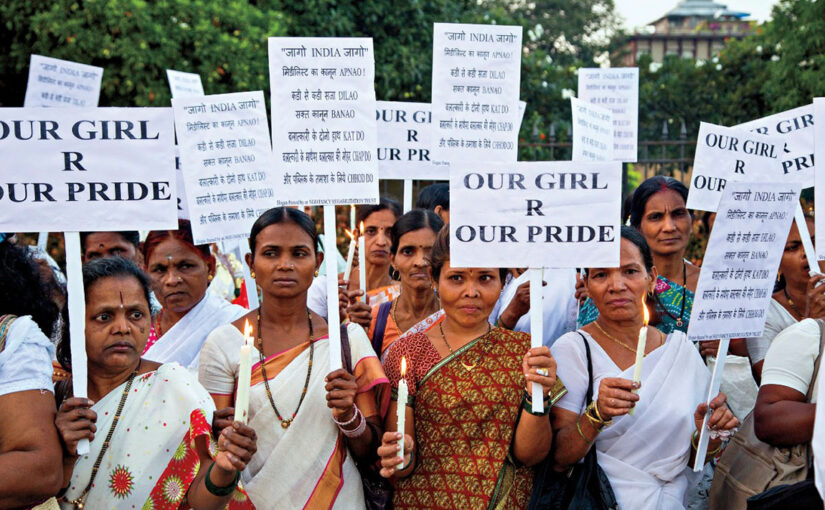
Shakti Sakhi is a program that will help mobilize multiple communities across Bangladesh to build a new generation of activitists, create new organizations and expand access to legal and economic services for women to access.
Shakti Sakhi aims to mobilize communities through the development and use of campaigns and social influencers throw women networks across Bangladesh. It will use a combination of community leaders, celebrities and many other influencers to help bring attention to what is domestic violence and ways that families can be proactive in stopping it. It will use a combination of peer influences to stop the violence and also use media communication tools through ad campaigns mobile wellness check-ins and also through the development of cash.
How it works
Shakti Sakhi first will have a month of action during domestic violence awareness month. It will start off by hosting a nationwide day of action where women talk to each other. As apart of this initiative, cash grants will be given through mobil payments to women, providing a set of unconditional cash that can only be unlocked through their own verified identity. These cash grants will empower women to make decisions on their own and will be backed by the Prime Ministers backing. The cash grants will supplement their current income per households.
Shakti Sakhi will then utilize a set of different educational poster campaigns to talk about domestic violence and how to change norms. It will launch a nationwide campaign that centers what domestic violence might look like in different situations. Shakti warriors will help facilitate conversations and create spaces that allow for women to seek and encourage help.
Additionally as a final action of this campaign, mobile lawyers will help to identify and assess supports for women who are facing eviction, abuse or other types of coercion. These different stories will then be highlighted and further supported to empower women to encourage reports of domestic violence cases and seek legal protection. Finally, a buddy system will promote educational awareness and support center.
Attached below are two of the different type of ads and posters that have been developed for this campaign. Please note that the campaign will be administered in English and Bangla, the two most spoken languages.
Shakti Sakhi will aim to empower women across the country to really show that their story is there strength and that healing in a world that was not designed for them is a genuine possibility.
Campaign Posters



Post 14: Artist Statement
There are many variables that go into putting together a film that is even close to perfect with a clear message that builds throughout the storyline. And so, I approached making my collage by taking the viewer through a journey that many women face because of their strict gender roles towards society. As well as, including powerful lines from movies that showcase the strength of female characters that take place in the eighteenth, nineteenth, and the shift to the twenty-first centuries. All of the pictures are kept within a frame in order to show that women no longer want to be subjected to stay within a box that was designed for them to adhere to for the rest of their lives by society. They want and deserve the opportunity to branch out on their own and not have to deal with the struggle of being seen only as a housewife. Therefore, emphasizes the importance that films pose to a number of viewers who watch because they learn valuable lessons and change their perspectives regarding a certain issue.

FINAL PROJECT;SYLLABUS
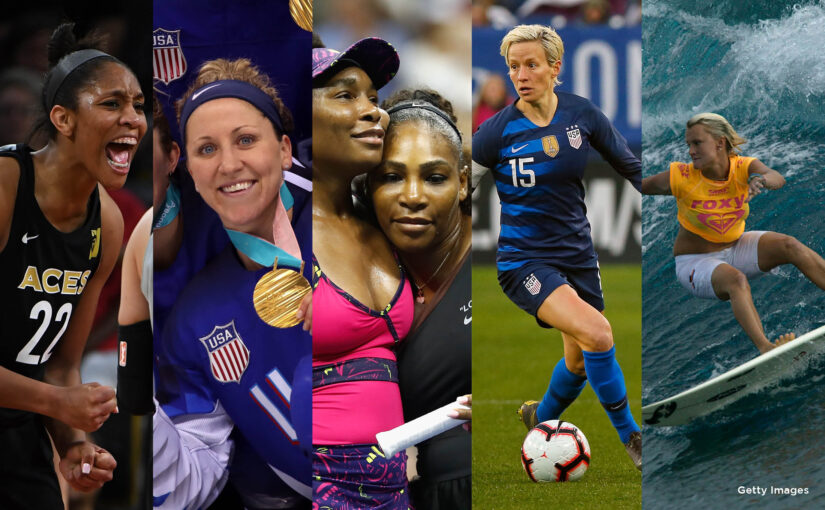
Ashley Fung Post 12
https://docs.google.com/presentation/d/1v7osgNljcS-yKUg7RQVRZkNgOAqGpdmEJoB_yn2ckp4/edit?usp=sharing
These next couple of google slides are additional information regarding my final project. As you can see in the slides, I put pictures and explanations of some of the few gender inequalities that female athletes face in our present day. In addition, I explain how although there have been laws such as Title IX to prevent these inequalities from occurring, these injustices still occur worldwide to so many female athletes across the world.
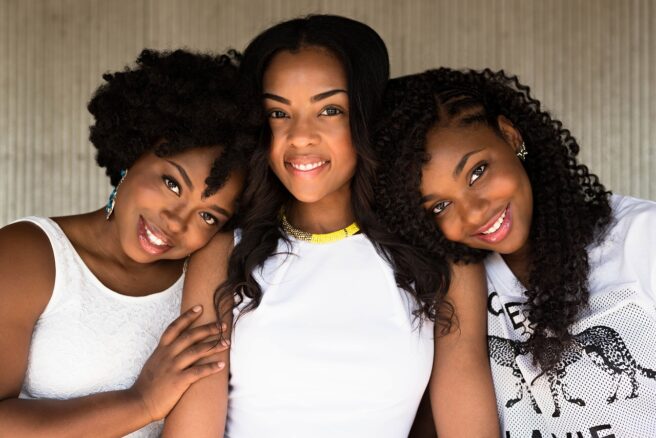
Misrepresentation and Stereotypes Hurt Black Women – FINAL PROJECT
For my final project, I created a PSA to bring awareness to the misrepresentation and mistreatment of black women in the media. This 3-minute video aims to not only demonstrate blatant examples of misogynoir and ignorance but uplift black women and encourage them to be themselves. The goal is to promote comfort within one’s skin despite living in a society that constantly condemns black women for their skin. For centuries black women have been treated as second-class citizens. Emancipation did little to change black women’s social status and the creation of the Jezebels, Mammy, and Sapphire during the Jim Crow era further cemented them as undesirable. Civil rights activist Kimberlé Crenshaw spoke to the double minority status of black women and their vulnerability to further marginalization. The media’s contribution to the damning image of black women brings about self-hate within the black community and encourages negative attitudes toward them. There are few black female faces seen on the runways, in commercials, leads in television shows; but when they are shown, they are mere caricatures. They are shown as a ghetto fast-food worker, an angry girlfriend, an undesirable best friend, or a maid. These images have drastic effects especially on young black women and the media preys on that. The media will sell these young girls a cream to lighten the skin and straightener to “tame unruly hair”, all to promote the Eurocentric beauty standards that black women will never obtain. On the other hand, black women just go ignored. Their ideas will go unheard and their calls for help will go unfulfilled leaving them to perish in a never-ending cycle of sadness, worthlessness, and hopelessness. This leads to the deterioration of black women’s mental health, which often goes untreated. Negative portrayals of black women have even led to “justified” aggression and violence against black women and girls, and devalue them as deserving empathy. At a young age, black girls are being taught to protect and handle themselves. The “masculine” traits like aggression, loudness, and strength associated with black women also lead to misgendering and even masculinization of them.
I used clips from influential black women who rose to success despite being put down. Michelle Obama (who is featured throughout my PSA) despite being an intellectual and compassionate woman, has had her intelligence insulted and her femininity questioned. She’s been called every derogatory term imaginable but yet she still preserves and uses her platform to inspire and uplift black women of all ages. I’ve also used clips of other influential black women in hopes to encourage young women and girls to push through the glass ceiling and believe that they can be great even when the world says they can’t.
I plan to adapt this PSA into a full video essay, documenting the history of the mistreatment of black women and how today even though barriers still exist, substantial progress is being made to empower them and allow black voices to be heard. I call it a video essay because the video would be recorded in a more intimate setting as opposed to a full fledged documentary. The video would still be informative and with the help of researchers, writers, and other creatives I hope the video attracts mainstream attention.
Here are the links to full video of the clips I used.

