
https://docs.google.com/document/d/1DKGmdYDD44gqEayFPHfU6b-yPCZ70th0flEmGw55MM4/edit?usp=sharing
Author: Libna Herman
PRESENTATION
Research Summary
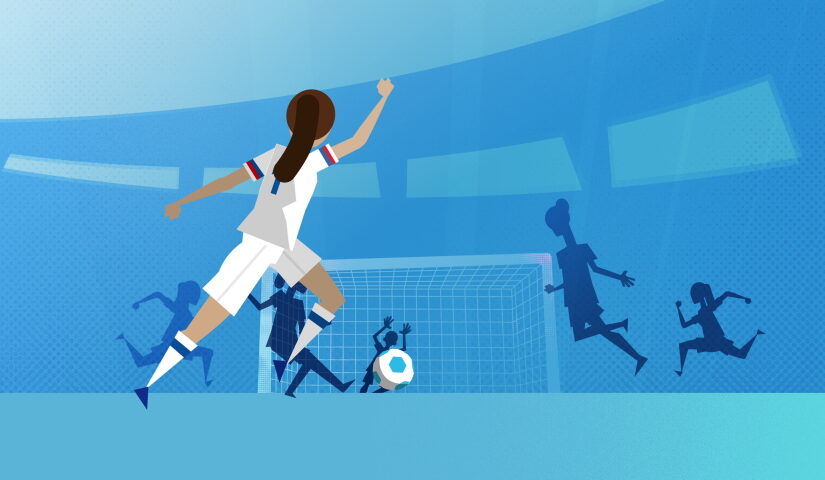
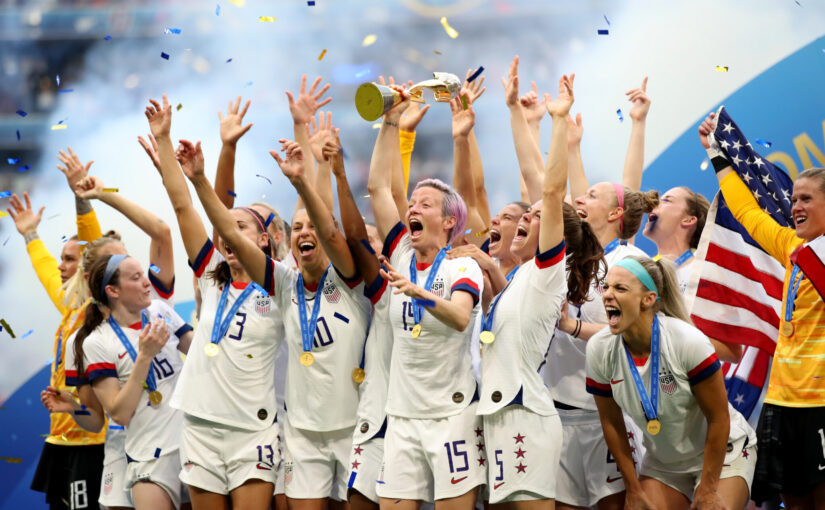
During my research, I found that my underlying assumptions about my topic of women in sports was reinforced. Specifically my topic of women in soccer/football and from researching I was able to see that discrimination, sexism, racism, etc are at an even higher peak than what I thought before. Race, gender, sexual orientation all combine to make up an intersectional spin wheel that most women would fall into. From early on in a girl’s life, race and social class background combine to account for different experiences in socializing them into soccer. Homosexual women suffer from heterosexism which means “discrimination or prejudice against gay people on the assumption that heterosexuality is the normal sexual orientation,” women are more likely to come out than men in sports and this leads to people who are ignorant, who boycott the sport based on sexual orientation. Women are paid less although they reacher higher milestones than their male counterparts such as the U.S. women’ soccer team winning the World Cup more recently than the men’s. Women of color experience both racism and sexism. Although they do speak out and enforce legal action against their superiors, they are never taken seriously and their attempts are met with backlash. Even when more well respected male athletes speak up for the women and support the cause, they are only met with temporary change. It does not help when broadcasters make it difficult to watch games or don’t even show them at all. More access to games and better education of women in sport would control the ignorance of many who do not believe the sport is worth time and putting resources into. Also social media has not changed the stigma of women in sports. Individuals are still met with comments such as “go back to the kitchen” which set up back generations when it comes to empowering women to stray away from stereotypical societal norms. Gender roles in sport are the same as in everyday life, they are socially constructed and culturally specific behavior and appearance expectations imposed on women (femininity) and men (masculinity). Men go to work (play the game) while women are supposed to stay home (watch the game and not participate in any way). Although even when watching a game, women’s opinions are not valued. Women in soccer are leading themselves through an internationally recognized, male dominated sport. Girls and women who excel in football are threats to a gender system that insists on unequal social constructions of womanhood and manhood. Men can not have women being represented better than them. I would say that my working thesis would be along the lines of: women in soccer are met with challenges while physically playing on the pitch, however it is the events that take place off the field that prove to more detrimental to them physically and mentally. The effects of social media and constant belittling have made the lives of so many women, who genuinely love the sport, much harder. All they ask for is quality in pay, resources, etc and recognition for the hard work they continue to do despite the challenges.
POST 10
I agree with the statement The Master’s Tools Will Never Dismantle the Master’s House. She speaks about the alienation of black women from the “master’s house,” which is men, particularly white. The master’s tools can be seen as privileges earned and mainly white women earn those privileges. If white women who posses those privileges are not aware of their own ability to create change instead of relying on others who refuse to change their ignorant ways, then the master’s house will continue to stand. Although they can acknowledge that racism is bad, it is not enough, if they for example continue to support companies that have a history of discrimination. The masters tools are caught up in a hierarchy of power that keeps hold of the masters house on top, while everyone else such as black women are below. Lorde states “They may allow us temporarily to beat him at his own game, but they will never enable us to bring about genuine change. And this fact is only threatening to those women who still define the master’s house as their only source of support.” White women and their privileges will never dismantle the white man’s house. I do not think it needs to be modified because once understood it is a powerful statement.
BLACK FEMINISM
One piece of work I chose was “Who Said It Was Simple” by Audre Lorde and the other was The urgency of intersectionality by Kimberlé Crenshaw. Audre Lorde and Kimberlé Crenshaw both their use creativity to address injustices of racism, sexism, etc. In “Who said it was simple”, the author criticizes those who claim to be feminists but continue to benefit from oppressing and those who oppress others. The poem states “the women rally before they march discussing the problematic girls they hire to make them free.” The white women with privilege over other minorities seemingly only care about fighting injustices for women when it come to putting on a facade in public. Since they are in the comfort of a diner, they have no reason to rally for the rights of others and they don’t refuse the special treatment which would definitely not be given to minority women. In the TEDTalk, Crenshaw talks about gender and how it relates too disparities in coverage of black women getting killed related to men. The women are not noticed because they are not getting the attention they deserve from people, the media, etc. This means they slip through the cracks and feminist movements halt progression for any change. Both authors implore readers to make sure their actions are genuine and they live up to the foundation of intersectionality that include women, specifically black women. Not just in public but behind closed doors, which would include practicing what you preach and spreading the word about unacknowledged discrimination going on in communities and realizing the privilege possessed. The goals of “Black Feminism” are too highlight black women and bring them to the forefront of all conversations. It is different because compared to “mainstream” feminism, black feminism is underrepresented and misjudged with multiple layers which relate to being black and a woman.

THIS BRIDGE CALLED MY BACK
From This Bridge Called My Back, I chose the entry “And When You Leave, Take Your Pictures With You by Jo Carrillo. In this poem the author is addressing “white sisters radical friends” who claim to be feminists, but are actually hindering the progression of the movement for all women. She keeps repeating that statement to emphasize that they are the target audience of her poem. She speaks about the fact that they seemingly took over the feminist movement but fail to give credit to the minorities who actually faced more challenges to bring the movement to light and willingly built the foundations. This poem is important because it summarizes racism in the women’s movement. White women would want to sit from afar and watch as others do the work,”digging for souvenir chunks of uranium of cleaning up after our white sisters radical friends.” They are oblivious to the real work problems going on and seem to base their lives on pictures which don’t tell the full story. They want to be seen as the face of the movement while others do the harder jobs and then wonder why in real life, minorities are so burdened with sadness and sufferings. When confronted, they have nothing to say because they don’t have the same experiences of “walking to the fields in hot sun” or “holding brown yellow black red children”. The collections of other entries are similar because they highlight the struggles of minorities who finally have a voice to be heard. Also all the entries touch on intersectionality of all people when it comes to privileges, discrimination, etc.
ANNOTATED BIBLIOGRAPHY
- Brewer, Jerry. “Perspective | Words Matter, and U.S. Soccer Exposed Its Sexism in Its Latest Legal Filing.” The Washington Post, WP Company, 12 Mar. 2020, www.washingtonpost.com/sports/soccer/words-matter-and-us-soccer-exposed-its-sexism-in-its-latest-legal-filing/2020/03/11/4ff7e0e8-6395-11ea-b3fc-7841686c5c57_story.htm
- Goff, Steven. “U.S. Women’s National Team Wins Again as Its Fight for Equal Pay Rages On.” The Washington Post, WP Company, 9 Mar. 2020, www.washingtonpost.com/sports/2020/03/08/us-womens-national-team-wins-again-its-fight-equal-pay-rages/.
- These are newspaper articles from a widely circulated newspaper, The Washington Post. They highlight the constant battle teams face to combat sexism, etc. The first article states that the U.S. soccer federation avoided using sophisticated language and resorted to sexism in their defense against a players wage discrimination lawsuit filed by the women’s team. They highlighted that women did not have the same physical attributes as men so they deserved less pay. In the second article, the emphasis on equality is brought up as the U.S. women’s soccer team continues to win but are shown no reward for it. Both of these articles are useful because they demonstrate the lengths organizations will go through just for no justice to be served. It also shows the superiority complex men have over the sport whereas women are seen as inferior and don’t deserve the time of day.
- Das, Andrew. “U.S. Women’s Soccer Team Sues U.S. Soccer for Gender Discrimination.” The New York Times, The New York Times, 8 Mar. 2019, www.nytimes.com/2019/03/08/sports/womens-soccer-team-lawsuit-gender-discrimination.html.
- This is a newspaper article from the New York Times. It gives details on the legal proceedings taking place between organizations. Two dozen members of the US women’s soccer team filed proceedings to the country’s soccer federation over pay equity and workplace conditions. The “institutionalized gender discrimination” they suffer affects everything such as paychecks, medical treatment, coaching, etc. This article helps me understand the fight for equality and the publicized efforts which spreads to other countries who also believe they can have their voice heard.
- Parker, Emma, and Laurent Dubois April 14. “U.S. Women’s Soccer – A System Outside Systemic Sexism.” Soccer Politics / The Politics of Football, 13 Apr. 2020, sites.duke.edu/wcwp/2020/04/13/u-s-womens-soccer-a-system-outside-systemic-sexism/.
- This is a blog post/scholarly journal from an individual at Duke University. There is a clear “Works Cited” page. It highlights the hierarchical system of soccer in the U.S. and the organizations that control it. Although women’s teams are more successful than the men’s, they don’t get the treatment they deserve. Women even are seen as more intelligent because they go to university, but money is not invested into them, so often to fail to make it on the big stage.
- Pfister, Gertrud. Female Football Players and Fans: Intruding into a Man’s World. Palgrave Macmillan, 2018.
- This is a volume with editors and references. It covers the social sciences and history of women football players and fans including sports sociology, sport sciences, gender studies, leisure studies, and women’s studies. It details how women become football players and fans. It also covers the reactions and daily life of women in football communities online and in person and the strain of social media on their lives
- “Exposure to Women’s Sports: Changing Attitudes Toward Female Athletes.” The Sport Journal, 25 May 2018, thesportjournal.org/article/exposure-to-womens-sports-changing-attitudes-toward-female-athletes/.
- This a scholarly journal from an organization which features references. It highlights experiments done to track reactions pertaining to women in sport. It also asks the question whether broadcasters are choosing to show less of women’s sports so fans automatically assume it is boring. This relates to my topic because it is a study done to find out the root problem of why women’s soccer is shown less and how it impacts the viewers feelings towards it.
BIBLIOGRAPHY
Works Cited
Brewer, Jerry. “Perspective | Words Matter, and U.S. Soccer Exposed Its Sexism in Its Latest Legal Filing.” The Washington Post, WP Company, 12 Mar. 2020, www.washingtonpost.com/sports/soccer/words-matter-and-us-soccer-exposed-its-sexism-in-its-latest-legal-filing/2020/03/11/4ff7e0e8-6395-11ea-b3fc-7841686c5c57_story.html.
Goff, Steven. “U.S. Women’s National Team Wins Again as Its Fight for Equal Pay Rages On.” The Washington Post, WP Company, 9 Mar. 2020, www.washingtonpost.com/sports/2020/03/08/us-womens-national-team-wins-again-its-fight-equal-pay-rages/.
These are newspaper articles from a widely circulated newspaper, The Washington Post. They highlight the constant battle teams face to combat sexism, etc.
Das, Andrew. “U.S. Women’s Soccer Team Sues U.S. Soccer for Gender Discrimination.” The New York Times, The New York Times, 8 Mar. 2019, www.nytimes.com/2019/03/08/sports/womens-soccer-team-lawsuit-gender-discrimination.html.
This is a newspaper article from the New York Times. It gives details on the legal proceedings taking place between organizations.
Parker, Emma, and Laurent Dubois April 14. “U.S. Women’s Soccer – A System Outside Systemic Sexism.” Soccer Politics / The Politics of Football, 13 Apr. 2020, sites.duke.edu/wcwp/2020/04/13/u-s-womens-soccer-a-system-outside-systemic-sexism/.
This is a blog post/scholarly journal from an individual at Duke University. There is a clear “Works Cited” page. It highlights the hierarchical system of soccer in the U.S. and the organizations that control it.
Pfister, Gertrud. Female Football Players and Fans: Intruding into a Man’s World. Palgrave Macmillan, 2018.
This is a volume with editors and references. It covers the social sciences and history of women football players and fans.
“Exposure to Women’s Sports: Changing Attitudes Toward Female Athletes.” The Sport Journal, 25 May 2018, thesportjournal.org/article/exposure-to-womens-sports-changing-attitudes-toward-female-athletes/.
This a scholarly journal from an organization which features references. It highlights experiments done to track reactions pertaining to women in sport.
Independent Project Plan
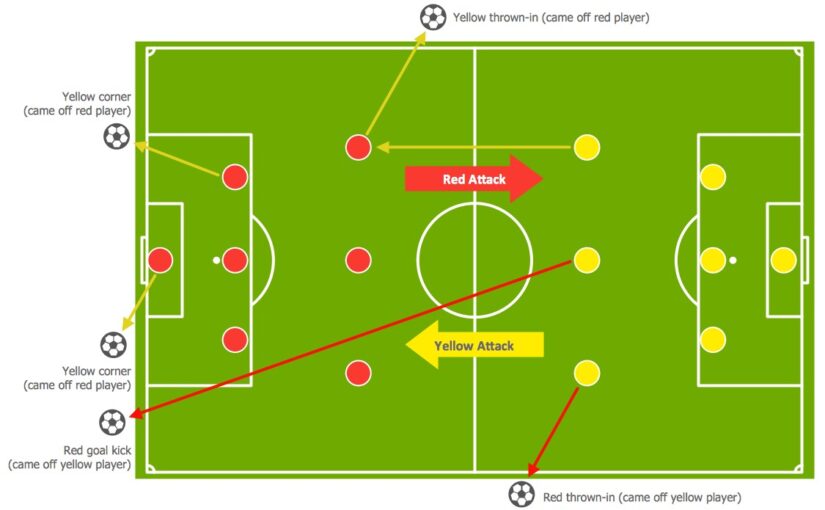
For my project, I will be focusing on women in sports, particularly soccer/football. In order to understand my project, I would need to know the behind-the-scenes of everything, such as the pay gap, overall support of the sport, etc and all things pertaining this sport and not just what see when the sport is being played. I would need to understand the differences between each gender and delve into deeper subjects such as race in the sport and what they go through behind closed doors and on the pitch. Also the effects of social media on the sport in countries where it is most popular such as America, United Kingdom, and Brazil. This would lead me to understand the accessibility to view the sport and how online abuse leads to more long lasting effects. In order to complete a successful project, I would need to research accurate statistics of these issues and personal accounts of individuals who faced these problems.
INTERSECTIONALITY
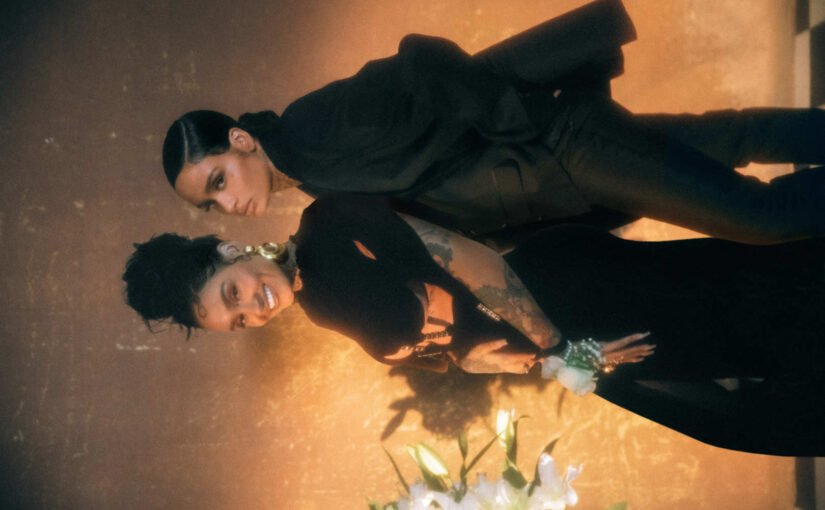
Kehlani is an American singer, songwriter and dancer hailing from Oakland, California. She has many albums where she expresses herself; featuring the sounds of hip hop, pop, r&b, etc. She is an activist, known for supporting all persons such as LGBTQ+ and BLM and she makes it known that representation matters especially for the younger generation. She uses her platform to spread love and openly accept anyone who feels underrepresented and she advocates for positive change by being philanthropic, especially because she grew up without her two biological parents who were both addicts. She works with different organizations to raise money for different groups such as partnering with FashionNova to raise money for centers that provide queer individuals mental health counseling and housing. Considering that she has gone through her own struggles with mental health and constantly being belittled by men, she makes it her mission to constantly speak up.
She is comfortable within her skin, which makes her intersectional characteristics flow like water. Many people can relate to her. She herself is a queer, mixed race woman. She makes this known in her bodies of work, such as her song Honey, where she makes the concept of same-sex relationships mainstream “I like my girls just like I like my honey, sweet.” She makes it known that she is gender fluid, sexually fluid and that it is “cool to like everything.” Her identification with all her ethnicities and her being mixed-race allows her to speak on the both black and white issues, which many could appreciate. She was very vocal last year expressing her grief and support for protests and felt that she was always there for any type of service. Although she has more power and privilege because she gets access to more protection from these events, she is not afraid to voice her opinion on issues plaguing our society. Being a mother, she wants to help eradicate the trauma communities are facing for her own daughter but sees the bigger picture when it comes to supporting the masses.

