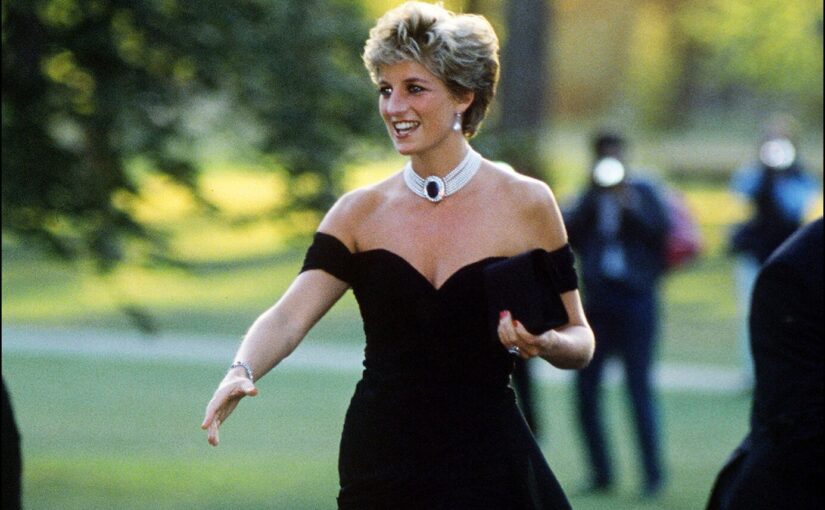
Princess Diana was the Princess of Wales and is the mother of the two princes, Prince William and Harry. At first she was Lady Diana, but after marrying Prince Charles who is first in line to the throne she then became Princess Diana soon to be Queen. Throughout the years she’s made herself known as a humanitarian as she began to get more recognition for her work rather than being the wife of a prince. Princess Diana has always stated that she wanted to be more than the royal wife sticking to strict protocols, and she stuck by that by letting her children experience activities that previous generations could have never done like participating in school activities and taking her sons to Disney World. During the time where AIDS and HIV misinformation was heavily believed, Princess Diana was the first royal to change this perspective by shaking the hands of patients at a hospital which most had not done at the time without gloves. She would also break rules by breaking what seems to be a high school dress code by dressing as she felt like dressing breaking numerous rules. She worked in many charities and gave speeches with her travels and work which had truly inspired her own sons to follow in her footsteps and continue her work with charities. She continued to be a strong woman throughout her years as a royal and after.
Author: Odalys Yanza
Post 9
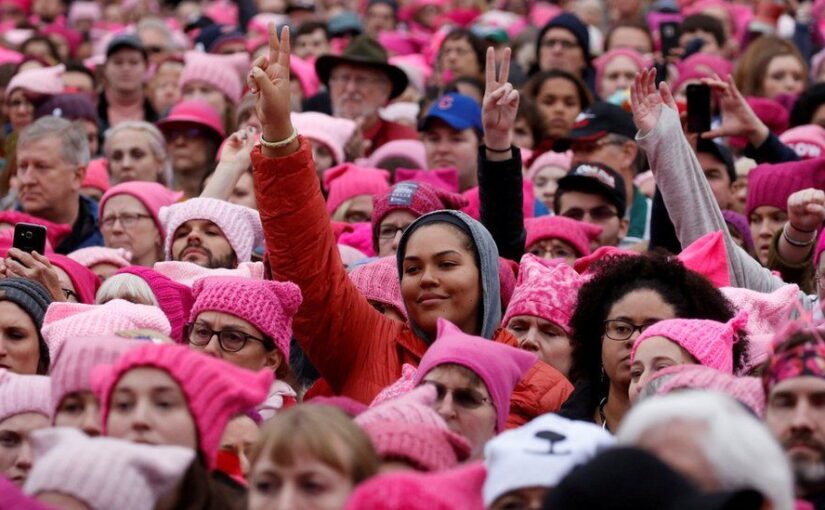
I believe the entry “- But I Know You, American Woman” by Judit Moschkovich is important because it highlights a problem within feminism from some of its white feminists. I think it is important because it shows how feminism for some white women doesn’t mean fighting for all but instead fighting for the sole purpose of white women not recognizing their privilege rather than all women of different backgrounds and cultures to fight for what should be equal. “If I hold on to my Latin culture I am holding on to hateful patriarchal constructs. Meanwhile, the Anglo woman who deals with the world in her Anglo way, with her Anglo culture, is being “perfectly feminist”. This quote highlights how some white women are so quick to dismiss women of color as “traitors” for their cultures as if theirs was any better and completely ignoring their privilege in calling others out while not all women have the privilege of doing so and having people listen to what you have to say. I think this poem relates to the other poems because it discusses how not all women are equal even within their community of women, so we have to discuss how this could possibly contradict what we as women are fighting for when we fail to listen to one another. How could our movement be strong if not all women are given a platform to fight along with us?
Women in the Film Industry
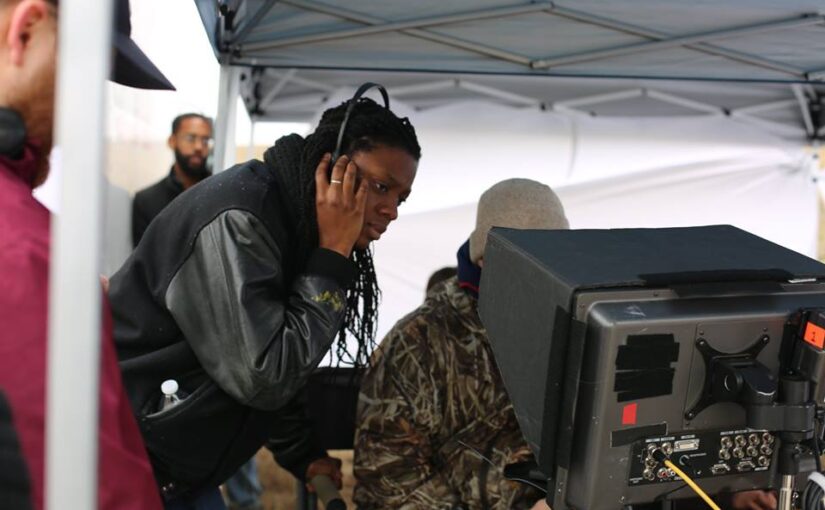
My PSA, public service announcement, the poster has been made to provide information to the public of how the film industry hasn’t really changed even though they make it seem like they have by heavily promoting one female director a year. My campaign is about the problem within the film industry on its lack of women-led films and directing. My campaign would share statistics that would make people unaware of this problem to question if there is a lack of women behind the scenes of movies. Like many people today, I was unaware of the lack of representation in the film industry for me as a woman and a woman of color. We often think of who is in front of the camera and if there is representation there, but we overlook the fact that if there is little to no representation in front of the camera, behind the camera is probably worse because there would have been representation if there was. I believe these public service announcements would help raise awareness by making people think about the problem of not having everyone’s voice and perspectives being represented in the movies. That is why movies like “Lady Bird” and “Booksmart” had so much success because it had relatable moments that women could relate to growing up as a teenage girl, and it is no coincidence that both movies happen to be the first film for both female directors. My example for the public service announcement has some facts about the currently changing film industry as we recently changed history by having two female directors nominated for best director. The PSA also has information at the bottom of it to inform the public of upcoming movies that have been directed by women so they can support the movement and let the industry know we like new perspectives and narration.
One thing that we often see is this glorification of what a woman should be like because we often see movies portray women through the male gaze because there is a team entirely made up of men making that movie. We often see when women are presented they are essentially written and directed to act like a mother to the men and this is what the male character is drawn to. Most women in real life wouldn’t stay in a relationship where the man is essentially a man-child who relies on his partner to make the relationship work. Another scenario is women being there to only serve the male role, this is why most superheroes have the damsel in distress when most women in real life aren’t waiting for their superman to save them, many women from a young age are forced to defend for themselves. This is why people often are against this damsel in distress because the woman in the movie is used as a prop to get the superhero to finally start doing something and some movies kill off the female character because their only use was to forward the man’s storyline. This is why women-led films and films with strong female characters are also doing so well because audiences are getting tired of seeing a woman not stand up for herself and start fighting for herself. I hope my PSA poster informs audiences and the public that are unaware of this problem to think of why this problem still is very bad and how this is holding back new voices and stories from being told that could be relatable to them and that are important to be told.

Post #7
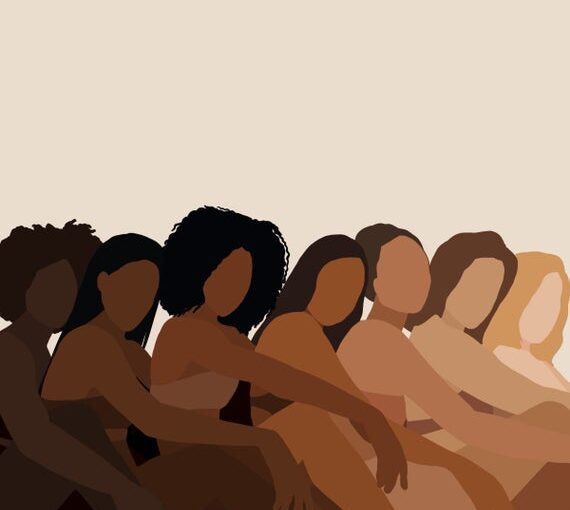
The works “Mapping the Margins: Intersectionality, Identity Politics, and Violence against Women of Color” by Kimberlé Crenshaw and the movie Black Feminist by Zanah Thirus are related to each other by highlighting the struggles Black woman have to endure everyday for just being themselves. Black women have to constantly have to fight racism and sexism from both outside and inside their communities. Both discuss the struggle Black women have to go through as they are labeled as “too aggressive” or “too provocative” and this stereotype is only amplified through the media and television. This creates an aggression towards Black women as this stereotype of Black women is made to make them look like they are all the same way. And this often results in acts of aggression towards Black women as they are seen as needing to be shown power and strength compared to men.The difference between Black Feminism and “mainstream” feminism is that a significant amount of feminists don’t recognize that the efforts they make towards equality is still fueling racism in a way because most of the opportunities continues to go to white women rather than all women. Some white feminists think they have to choose between racism and sexism rather than fight for equality for both, and don’t see that white women still hold a lot of white privilege. Black feminism fights to get equality for all women rather than accepting the bare minimum of one group of women, they recognize the struggles of women of color and of different classes or gender.
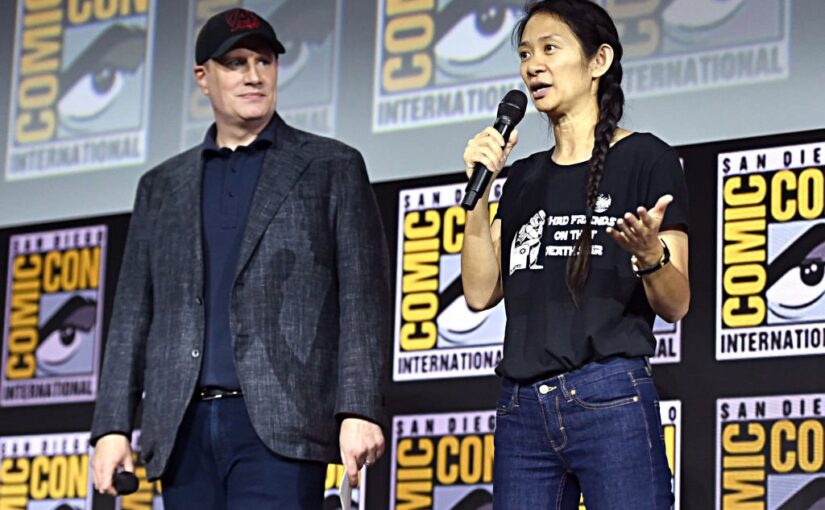
Bibliography
Buckley, Cara. “More Women Than Ever Are Directing Major Films, Study Says.” The New York Times, The New York Times, 2 Jan. 2020, www.nytimes.com/2020/01/02/movies/women-directors-hollywood.html?smid=url-share.
- This is a reliable and credible source because it is written by the New York Times which is a reliable newspaper. The journalists are reliable as well because it is known for having accurate information.
Erbland, Kate. “Chloé Zhao, Emerald Fennell Make Oscars History as Two Women Nominated for Best Director.” IndieWire, IndieWire, 15 March 2021. www.indiewire.com/2021/03/female-directors-nominated-oscars-chloe-zhao-emerald-fennell-1234622741/.
- This is a reliable and credible source because the IndieWire is a film news outlet that prioritizes its film audience to bring them new and accurate information. This film news outlet knows what it talk about in the words of filmmaking aas they have been reporting independent movie information for about 25 years.
Mahar, Karen Ward. Women Filmmakers in Early Hollywood, Johns Hopkins University Press, 2008. ProQuest Ebook Central, https://ebookcentral.proquest.com/lib/brooklyn-ebook/detail.action?docID=4398415.
- This source is credible and reliable because the author, Karen Mahar, has a PhD in History and other degrees from multiple distinguished colleges. The author also has an essay about the sources she used and some are Duke University and The Library of the American Academy of Motion Picture Arts and Sciences.
Silverstein, Melissa. In Her Voice : Women Directors Talk Directing, Open Road Distribution, 2015. ProQuest Ebook Central, https://ebookcentral.proquest.com/lib/brooklyn-ebooks/detail.action?docID=2146024.
- This source is credible and reliable because the author, Melissa Silverstein, is a journalist that writes on issues about women. She is a founder and editor of Women and Hollywood a credible and well known site for issues about to women in film and other medias.
Woerner, Meredith. “Olivia Wilde and Emerald Fennell on Banning A-Holes and ‘Are You Sure?’ From Movie Sets.” Variety, Variety, Feb. 2021, variety.com/2021/film/news/olivia-wilde-booksmart-emerald-fennell-promising-young-w
oman-1234900528/.This source is credible and reliable because the interview is produced by Variety which is a well known and professional news outlet on entertainment news. The interview is between two professional and acclaimed directors, Olivia Wilde and Emerald Fennell, that has been working in the film industry for many years and know what it is like first hand both in front and behind the cameras.
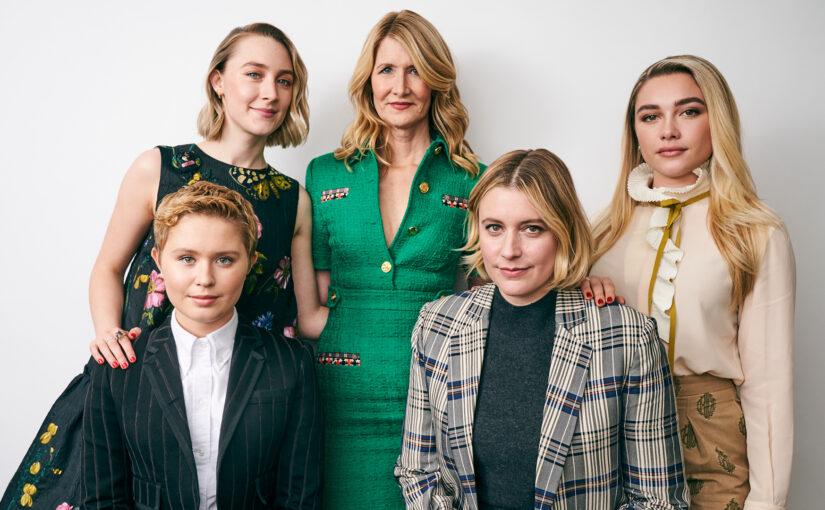
Research Summary
After researching for my topic I have learned many things about my topic on female filmmakers and how hollywood has changed. Unfortunately, in my research I found that not much has changed until recently. Although most women watching the Oscars could clearly notice that not much change was happening, it is still sad to see that we will be seeing more women in the coming years creating stories through film. In fact it wasn’t until this year’s Oscars nomination that two women, yes just two women, were nominated for the directing category. Another problem we see with female filmmakers is that it is like walking on glass when a woman wants to fund and produce her film because producers which are also dominated by men can be hard to pitch. This is especially true when it’s a film that is told through a woman’s perspective which could be not understood at all by the men. This can be seen as we see the problem with movies typically objectifying women, it is to tend to their own “male gaze” which is purposefully made to please their male-centered stories. From this I learned a test that is commonly used among movie watchers and film critics, the bechdel test was created to see if women are represented in another manner besides being based around the male counterpart.
While today we see more stories being told on experiences that women go through. Yet, in the meantime, we see slow progress in getting our stories told and getting its well-deserved praise. Women-directed films in the last few years have been making excellent numbers in their performance in the box office, so why are so low accurate female representation? “Booksmart” was Olivia Wilde’s first feature film, “Lady Bird” was Greta Gerwig’s first feature film, and both have made more than double of their budget to make the film. Clearly, there is a big audience to watch movies made by women, but 2020 was the first time two women were nominated for the directing category in the Oscars. If movies are continuously being told from one perspective since the existence of film, are there really any more stories until we repeat the same story, and are they an accurate depiction of women? More women need to be chosen to direct films because the film industry is neglecting the talent and stories that are being silenced through not producing these stories that are being withheld from a big audience that is yet to be fully represented in a male-dominated industry.
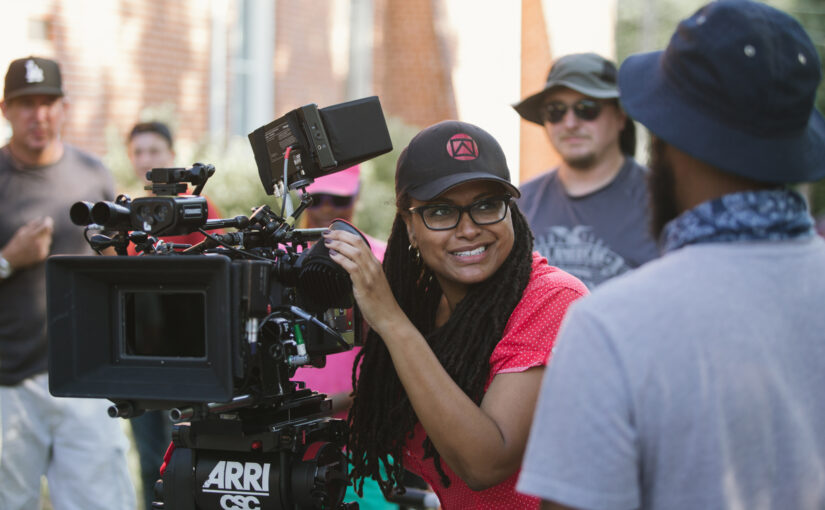
Annotated Bibliography
Buckley, Cara. “More Women Than Ever Are Directing Major Films, Study Says.” The New York Times, The New York Times, 2 Jan. 2020, www.nytimes.com/2020/01/02/movies/women-directors-hollywood.html?smid=url-share.
- This article written by the New York Times is informative on the changes that are recently changing slowly. It uses statistics on the number of female directors that were made in 2019, and the percentage of movies that were made from 2007 to 2019 that were led by female directors. It also discusses how much is progress when it was near little to none in the number of women as directors. Specifically, 12 out of the top 100 movies of 2019 were directed by women, which believe it or not is an all time high. These statistics demonstrate how far we have gone but it also highlights how much left we have to go.
Erbland, Kate. “Chloé Zhao, Emerald Fennell Make Oscars History as Two Women Nominated for Best Director.” IndieWire, IndieWire, 15 March 2021. www.indiewire.com/2021/03/female-directors-nominated-oscars-chloe-zhao-emerald-fennell-1234622741/.
- This article by the IndieWire highlights the big yet sad progress that women have achieved in terms of representation. This year’s Oscars has nominated two women for its directing category for the first time in its existence since it started in 1927, almost 100 years. It is a big achievement because usually there would be no female directors or maybe just one in the category. This gives hope to future female filmmakers in changing the numbers but it also signifies that there is still no promise that it would be more fair to get our movies made with the same attention as a movie made by men. Hopefully, one day there will be only women in the category like there are only men today.
Mahar, Karen Ward. Women Filmmakers in Early Hollywood, Johns Hopkins University Press, 2008. ProQuest Ebook Central, https://ebookcentral.proquest.com/lib/brooklyn-ebook/detail.action?docID=4398415.
- This source by the author Karen Mahar discusses how much we are not taught about the role of women on sets in the early years of film and filmmaking. We learn that actually women were initially accepted as filmmakers and were a prominent role in front and behind the scenes. But, once the 20s came along that behavior started to change to favor men over women instead of having an open field of equal opportunity. We see how the film industry began to show sexist behaviors that set back the progress that was on place when it started and how women started from square one again but are not at the position they were once at because of the system and organizations that excluded women.
Silverstein, Melissa. In Her Voice : Women Directors Talk Directing, Open Road Distribution, 2015. ProQuest Ebook Central, https://ebookcentral.proquest.com/lib/brooklyn-ebooks/detail.action?docID=2146024.
- This source by the author Melissa Silverstein discusses with multiple well established women filmmakers the experience of how to bring their visions to life and the struggles that come along in making them. The women in the book talk about their process of how being a woman can sometimes make their voices less amplified than the voice of the men that feel entitled to take over their own stories. It also dives into the discussion of how certain movies really can’t be made by men because they simply do not understand the perspectives of women that go through certain experiences.
Woerner, Meredith. “Olivia Wilde and Emerald Fennell on Banning A-Holes and ‘Are You Sure?’ From Movie Sets.” Variety, Variety, Feb. 2021, variety.com/2021/film/news/olivia-wilde-booksmart-emerald-fennell-promising-young-woman-1234900528/.
This interview is by Variety between two professional and acclaimed directors, Olivia Wilde and Emerald Fennell, who has been working in the film industry for many years and knows what it is like first hand both in front and behind the cameras. This interview empowers women as filmmakers because although they are aware they are seen as replaceable by higher people, they don’t let it limit them from standing up for themselves and others around them. The two women discuss the no A-holes policy they follow on sets when they are directing because they want to create a safe and creative environment that allows their talent and crew to thrive together in making their film. We hear many horror stories about movie sets with toxic and sexist people in charge that it is inspiring to see women take their stand in not allowing or rewarding behavior that can ruin a set or project for others.
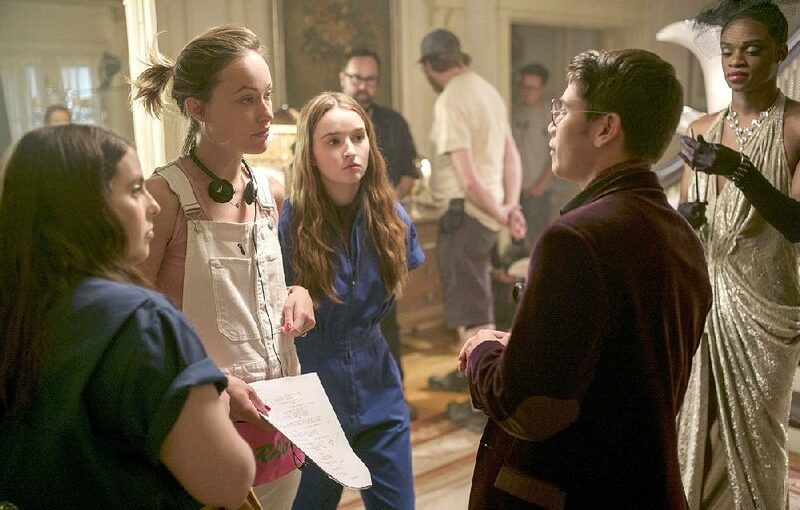
Post 5
For my independent project, I will be exploring the topic of women in the film industry and how it is starting to see change only recently. The problems in the film industry from both sides of the camera for actresses and directors have been ignored for so long until it became a topic of discussion in social media and made its way back to Hollywood. In addition, there is a big problem with women of color in the industry which is once again reflected in front and behind the camera. In order to discuss my topic, I will need to get some statistics and first-hand accounts from women who are currently in the industry. My project relates to film and women studies subjects because it is what I will be diving into specifically. I believe my project concerns matters of race, gender, and feminism specifically within the U.S. film industry within film and television. In order to discuss my topic successfully, I believe it is very important to get how the problem is being called out within those who work in the film industry and the actors and actresses that are helping each other to get equal pay and create a safe environment for work and discussion.
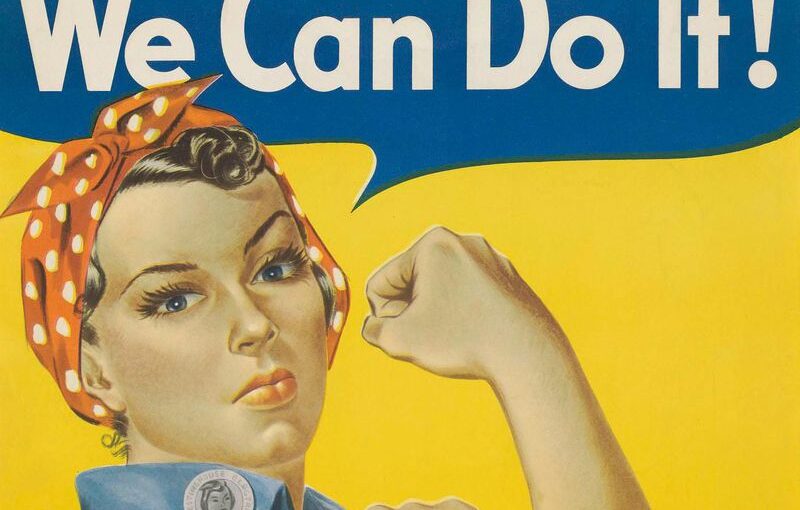
Identity
The way in which I choose my identity is by staying true to myself in my beliefs and thoughts, I choose my identity and do not follow what others expect me to follow simply because visually I am a woman so therefore I will be a wife and have kids. I choose my identity by believing in myself and doing what makes me comfortable. I do not want to follow the traditional roles that limit many people and are toxic in many cultures. The way it was chosen for me is that when I was younger other girls would make me feel less feminine if I dressed differently than the typical girly dresses or skirts, and I would see this in television too when the tomboy gets the makeover and now the boys pay attention to her. Another way is that men will tell me I will have to tend to both kids and a husband while the husband does nothing because “he is the breadwinner” which ultimately made me refuse to learn to cook as a way to rebel against that ideology because I feared becoming that stereotype that I often see around me. I noticed that the trend in who gets to decide the aspects are men because they’ve been in a spot of privilege since the beginning of time. I think all of these behaviors have been directed time and time again by many different cultures and social statuses by men because it can be hard to escape a behavior that is so accepted in society that favors one side more than the others.
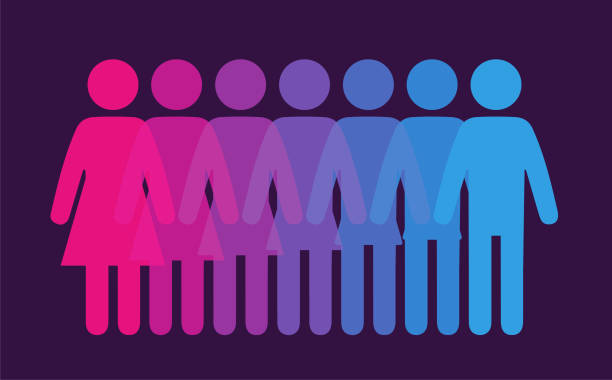
What is gender?
Gender is the way we see ourselves, to put it briefly. But there is a lot that goes into gender that has been overlooked for years. Now we are able to have a conversation on respecting the different perspectives we all have. We don’t see gender that much in things like paperwork that prefer to ask for sex instead which is another conversation, but it is implied that they are the same when they are not. Nonetheless, we discuss gender every day by meeting new people and learning more about them, we see it online as well. Society manages to tell us that it is a decision between masculinity and femininity, but it is not something that should be confined between two categories. Instead, it should be what we see ourselves as, we can be both feminine and masculine, who is to say what we can or can’t be? The most common gender role that I see to this day based on readings of an earlier time, is the role of mothers being the loving feminine role for children and fathers being the stern stone-cold authority figure. As a more modern family of today defies this need to follow this outline, we can see that no parent should be any other role than a loving responsible parent.
Gender relates to privilege and power because some people today are still under the impression that since women are more feminine they must not work hard and therefore deserve less pay. This may have passed by with no problem in the 50s, but we are more than educated enough to know that women work equally as hard as the “strong” men. I believe all genders have equal struggles in many different ways, but some problems are hard to take action on like equal pay. While men have fewer issues than women that society is to blame for upholding old practices like preferring to hire men over women. At this point, there is no justification or explanation as to why it is this way it is, but it is something we still are fighting for. I think that there should not be anyone who decides which gender is legitimate besides yourself about your own, what you decide to be is up to you and no one else, and it should be respected by others and you do the same for them. There might be many genders but at the end of the day, we should not tell others how they should feel or live so it is not up to me to determine how many genders there are and instead it is for me to respect.

