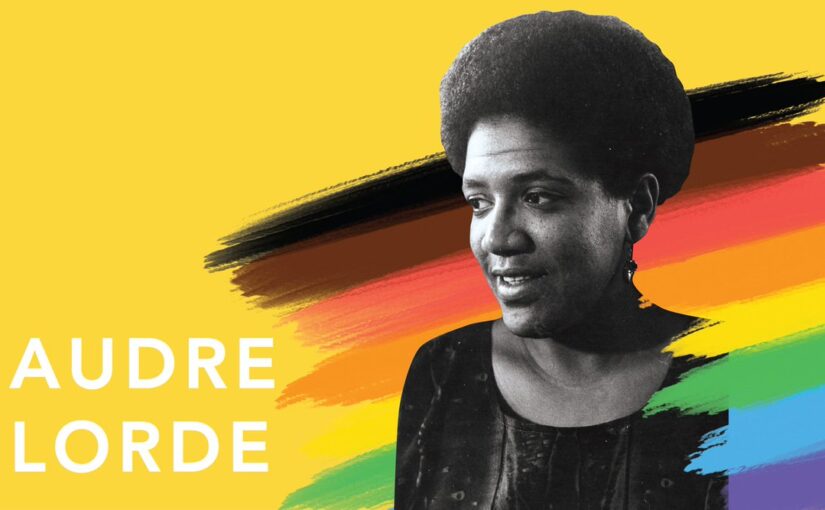
Kimberlé Crenshaw and Audre Lorde are two Black Feminist we have studied this term. I believe that they both convey the idea that feminism, for anyone who is not white, English speaking, and wealthy, is inaccessible. Feminism at the time (and for some people, even today) was only for a certain type of white woman.
Crenshaw in her TEDTalk, The Urgency of Intersectionality, started off with a list of Male victims of Police Brutality and a list of Female victims of police brutality. Most of the group was familiar with the men who have died, but not the women. She goes on the mention that this is an example of intersectionality and how these women being Black and Women, made them a new level of disadvantage. It wasnt just that they were Black or Women, they were Black women. She goes on to explain the case of Emma DeGraffenreid who fell through the cracks of the justice system because of the lack of “framework” to think about her case, intersectionality.
Lorde’s poem, Who Said it Was Simple, is elusive, for me personally. Though undeniably powerful, it’s not fully clear what it’s about. I believe it is about her frustrations towards the feminist movement that has left her, and people like her, behind. Though they sit there planning their liberation and rally, they do not notice or reject the systems that are oppressing other women, such as racism. She ends that stanza by saying that she is bound by her bed as well has her mirror, pointing to her skin tone and sex, and ends the whole poem by saying which of me will survive. Her poem also is about intersectionality and how these earlier movement did not make room for people who were different. The part that confuses me is the fact the title, what does she mean by it’s not simple? Is it the idea of intersectionality? Is it the way feminism worked? Perhaps how she related to the movement and which part of her identity would die off?
Either way, both are powerful and moving pieces that questioned Feminism of the day in their own way.

