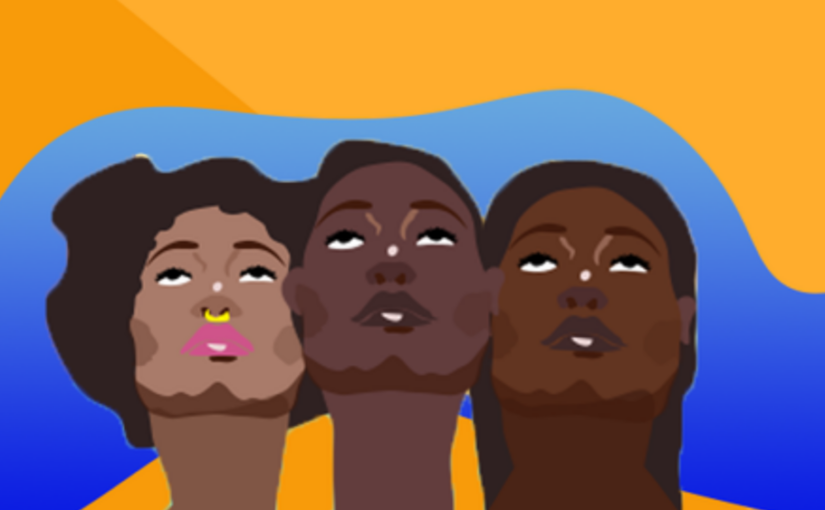
The poem “Who Said It Was Simple” by Audre Lorde illustrates those who define themselves as feminists but continue to accept and benefit from the oppression of other groups. I think Audre Lorde and Kimberlé Crenshaw they both use their own voice to speak up about the injustices of racism, sexism, etc. At the beginning of the TED speech “The urgency of intersectionality”, Kimberle Crenshaw, names groups of colored women names who have experienced different forms of police brutality. The audience at the scene shows that they did not know them or their stories.
Kimberlé Crenshaw pointed out that improving the status of black women is one urgent matter, and on the other hand, it leads to a Cross-cognition not only for black women. She uses the term “intersectionality” to deal with the fact that many of our social justice problems like racism and sexism are often overlapping, creating multiple levels of social injustice. When you are in the intersections, you may suffer more. She mentioned that the intersection of “transgender fear”, “xenophobia”, “physical discrimination” and so on appeared in people’s everyday lives, and called on us to face this matter squarely and speak up for those who suffer from prejudice.
Mainstream feminism often concentrates on those who have met most of their needs. In many cases, this has nothing to do with survival, but with increasing privileges. For women at intersections, such as black feminism mentioned in recourse, It emphasis empowering black women and living on the edge of women with a new and critical way of thinking that centered on how racism and sexism worked together to create black women social issues and inequalities.


Hi liling, intersectionality is really important when we think about feminism today, because so often black women have been left out of feminist movements because of their race. It’s awful and needs to change, we cannot call ourselves feminists if we don’t advocate for black women.